The Timeless Wisdom of Charles Dickens: Quotes from A Christmas Carol
The Timeless Wisdom of Charles Dickens: Quotes from A Christmas Carol
Introduction
With great pleasure, we will explore the intriguing topic related to The Timeless Wisdom of Charles Dickens: Quotes from A Christmas Carol. Let’s weave interesting information and offer fresh perspectives to the readers.
Table of Content
The Timeless Wisdom of Charles Dickens: Quotes from A Christmas Carol

A Christmas Carol, written by Charles Dickens in 1843, is a novella that has stood the test of time, captivating readers and audiences with its poignant and powerful message about the importance of kindness, compassion, and generosity. This beloved tale has been adapted into numerous film and stage productions, cementing its place in the hearts of people around the world. As we delve into the quotes from this timeless classic, we are reminded of the enduring wisdom and insight that Dickens brought to his narrative.
At its core, A Christmas Carol is a story about redemption, transformation, and the human condition. Through the character of Ebenezer Scrooge, Dickens explores the complexities of the human experience, revealing the potential for growth, change, and renewal that lies within each of us. As we reflect on the quotes from A Christmas Carol, we are struck by the relevance and universality of the themes and ideas that Dickens presents.
The Significance of Christmas
Dickens begins his novella by emphasizing the significance of Christmas, a time of year that offers a chance for reflection, renewal, and rebirth. In the words of the narrator:
"Marley was dead, to begin with. There is no doubt whatever about that…Old Marley was as dead as a door-nail."
This opening sentence sets the tone for the story, establishing the connection between death, decay, and the passing of time. However, as the narrative unfolds, we come to understand that Christmas represents a moment of hope and renewal, a chance to transcend the limitations and sorrows of our mortal existence.
"If they would rather die, they had better do it, and decrease the surplus population."
Scrooge’s famous phrase, in which he dismisses the welfare of those less fortunate, highlights the callousness and indifference that often accompany material success. Yet, as the story progresses, we witness Scrooge’s transformation, as he comes to realize the error of his ways and the importance of kindness, generosity, and compassion.
The Ghosts of Christmas
One of the most iconic elements of A Christmas Carol is the presence of the three ghosts that visit Scrooge on that fateful Christmas Eve: the Ghost of Christmas Past, the Ghost of Christmas Present, and the Ghost of Christmas Yet to Come. Each of these spectral visitors serves as a catalyst for Scrooge’s transformation, inviting him to reflect on his past, present, and future, and to reconsider his values and priorities.
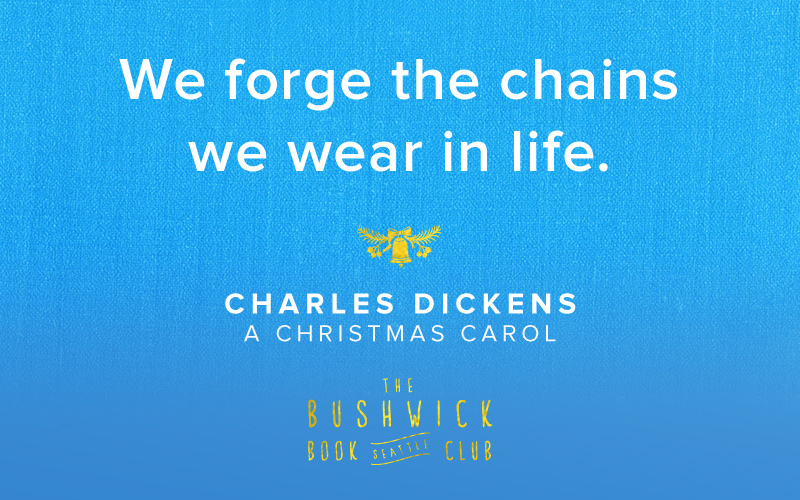
"I wear the chain I forged in life…link by link, yard by yard; I girded it on of my own free will, and of my own free will I wore it."
The Ghost of Christmas Past, represented by Marley’s ghost, forces Scrooge to confront the consequences of his own choices and actions. Marley’s words, quoted above, serve as a poignant reminder of the fact that our lives are shaped by the decisions we make, and that we must take responsibility for our own happiness and well-being.
"Come in, come in! and know me better, man!"
The Ghost of Christmas Present, with his genial and inclusive nature, embodies the festive spirit of generosity and hospitality. His invitation to Scrooge, quoted above, represents an opportunity for connection, understanding, and growth.
The Transformative Power of Experience
As Scrooge undergoes his transformations, he comes to understand the importance of empathy, kindness, and compassion. The following quote highlights the significance of personal experience in shaping our worldview and informing our choices:
"I am as light as a feather, and as merry as a school-boy. I am as giddy as a drunken man. A merry Christmas to everybody! A happy New Year to all the world. Hallo here!"
Scrooge’s excitement and enthusiasm, as he awakens on Christmas morning, are palpable. His transformation is complete, and he is reborn, ready to embark on a new path of self-discovery and personal growth.
Lessons for the Ages
A Christmas Carol offers a wealth of lessons and insights that remain relevant to our modern world. Dickens’ masterful storytelling and memorable characters ensure that this novella continues to captivate audiences of all ages.
"It is better to live with hope than to die in despair."
The wisdom of this quote, spoken by the narrator, resonates deeply, reminding us that hope and optimism are essential components of a fulfilling life.
"Men’s courses will foreshadow certain ends, to which, if persevered in, they must lead; but if the courses be departed from, the ends will change."
As Scrooge discovers, it is never too late to change our lives and to redefine our goals and aspirations. This message of hope and renewal is at the heart of A Christmas Carol, a story that continues to inspire and uplift readers around the world.
Mnemonics and Symbolism
Dickens’ use of mnemonic devices and symbolism adds depth and complexity to his narrative. One of the most famous examples of this is the character of Tiny Tim, Scrooge’s young and ailing nephew.
"God bless us every one!"
Tiny Tim’s poignant words, quoted above, become a refrain throughout the novella, serving as a reminder of the importance of kindness, compassion, and generosity.
"The shadows on the walls seemed to become deeper, darker, and funereal. The clocks tolled in the darkness; but the bell of the church broke forth in a mighty peal, ringing in the great Christmas."
The vivid descriptions of light and darkness, as well as the symbolism of the clocks and the church bell, create a richly textured narrative that invites readers to reflect on the significance of time and the importance of living in the present.
Legacy and Impact
A Christmas Carol has had a profound impact on popular culture, shaping our understanding of Christmas and its significance in the world. The novella has inspired countless adaptations and interpretations, from film and theater productions to animated versions and musicals.
Dickens’ masterful prose has also influenced generations of writers, poets, and artists. The vivid characters, memorable dialogue, and poignant themes have made A Christmas Carol a work of enduring appeal, transcending its historical context and speaking to the common human experience.
Conclusion
In conclusion, the quotes from A Christmas Carol offer us a glimpse into the wisdom, insight, and compassion that Dickens brought to his narrative. As we reflect on these memorable phrases, we are reminded of the timeless themes and ideas that underlie this beloved novella.
Dickens’ message of hope, renewal, and redemption continues to resonate with audiences around the world, speaking to our universal longings for kindness, generosity, and connection. As we celebrate the festive season, may we remember the enduring wisdom of A Christmas Carol, and strive to embody the values of compassion, empathy, and love that lie at its heart.
In the words of the narrator:
"Let us think of people below us, thanking them for their help, and making their lives a little better whenever we can. This is the only way we can hope to make our own lives better."
As we reflect on these words, may we be inspired to create a brighter, more compassionate world, where kindness, generosity, and love triumph over materialism and callousness.


Closure
Thus, we hope this article has provided valuable insights into The Timeless Wisdom of Charles Dickens: Quotes from A Christmas Carol. We hope you find this article informative and beneficial. See you in our next article!
Leave a Reply