The Diverse World of Christmas Cactus: Unveiling the Varieties and Care Tips
The Diverse World of Christmas Cactus: Unveiling the Varieties and Care Tips
Introduction
With great pleasure, we will explore the intriguing topic related to The Diverse World of Christmas Cactus: Unveiling the Varieties and Care Tips. Let’s weave interesting information and offer fresh perspectives to the readers.
Table of Content
The Diverse World of Christmas Cactus: Unveiling the Varieties and Care Tips
As the festive season approaches, one plant that never fails to capture the attention of botanists and novices alike is the Christmas cactus. This low-maintenance, high-reward plant has become a staple of holiday decor, producing vibrant flowers in shades of pink, red, purple, and white. However, many people are unaware that the term "Christmas cactus" is an umbrella term that encompasses three different species of cacti. In this article, we will delve into the distinct characteristics, growth habits, and care requirements of the various types of Christmas cactus.
1. Schlumbergera bridgesii (Christmas Cactus)
The Christmas cactus (Schlumbergera bridgesii) is one of the most widely available and popular varieties of this plant. Native to Brazil, it produces segments or phylloclades that are quite flat and have small, sharp notches on the edges. The flowers of this plant are relatively small, measuring about 1-2 inches in diameter, and come in a variety of colors, including pink, red, and bi-colored.
2. Schlumbergera buckleyi (True Christmas Cactus)
The true Christmas cactus (Schlumbergera buckleyi) is another variety that blooms around the holiday season. Its segments are slightly different from those of the Christmas cactus, with small, distinctive projections or teeth on the edges. This cactus produces flowers that are smaller and more delicate than those of the Christmas cactus, typically measuring around 0.5-1 inch in diameter.
3. Rhipsalidopsis gaertneri (Easter Cactus or Spring Cactus)
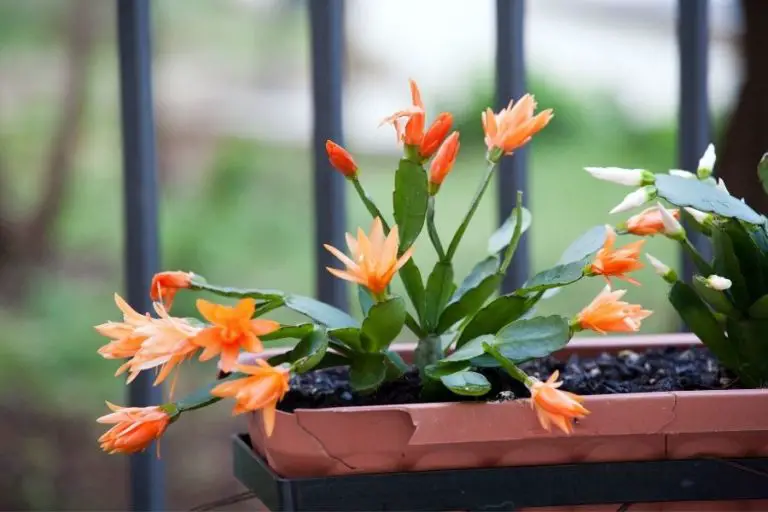
The Easter cactus or spring cactus (Rhipsalidopsis gaertneri) is a lesser-known variety that blooms in the spring rather than the winter months. Its segments are distinctively rounded and smooth-edged, with a glossier appearance than the Christmas cactus. The flowers of this plant are larger and more prominent than those of the Christmas cactus, measuring around 2-3 inches in diameter, and come in shades of pink, red, and bi-colored.
Hybrid Varieties of Christmas Cactus
Over the years, hybridization has led to the development of new and exciting varieties of Christmas cactus. These hybrids combine the desirable traits of different species, resulting in unique and stunning flower colors and shapes. Some popular hybrid varieties include:
- Schlumbergera hybrid ‘Holiday Joy’: This compact variety produces vibrant pink flowers with green-tinged tips.
- Rhipsalidopsis hybrid ‘Valentine’s Day’: This variety boasts bright red flowers with delicate white tips.
- Schlumbergera hybrid ‘Jingle Bell Rock’: This compact plant produces bi-colored flowers in shades of pink and red.
Care Tips for Christmas Cactus
To ensure that your Christmas cactus thrives and produces an abundance of flowers, follow these care tips:
- Lighting: Christmas cacti prefer bright, indirect light but can tolerate partial shade. Direct sunlight can cause the segments to become scorched.
- Watering: Overwatering is the most common cause of death in Christmas cacti. Water sparingly, allowing the soil to dry out slightly between waterings.
- Temperature: Christmas cacti prefer daytime temperatures between 65-70°F (18-21°C) and nighttime temperatures around 50-60°F (10-15°C).
- Humidity: Christmas cacti prefer moderate humidity levels, around 50-60%.
- Fertilization: Feed your Christmas cactus during the growing season (spring and summer) with a balanced fertilizer.
- Repotting: Repot your Christmas cactus every 2-3 years, using a well-draining potting mix to prevent root rot.
Common Problems in Christmas Cactus
While Christmas cacti are relatively low-maintenance plants, they can still be susceptible to certain problems. Here are a few common issues and their solutions:
- No Flowers: If your Christmas cactus is not producing flowers, it may be due to insufficient light, water, or nutrients. Adjust your care routine accordingly.
- Root Rot: Overwatering can cause root rot, leading to the death of your plant. To treat root rot, repot the cactus in fresh, well-draining soil and reduce watering frequency.
- Pests: Check for pests like mealybugs, spider mites, and scale insects on a regular basis. Use insecticidal soap or neem oil to treat infestations.
Propagation and Hybridization
One of the fascinating aspects of Christmas cacti is their ability to be easily propagated. This can be achieved through:
- Stem Cuttings: Take 2-3-inch stem cuttings from healthy plants, allowing them to dry slightly before potting in a well-draining mix.
- Division: Divide large plants into smaller segments, repotting them in fresh soil.
- Air Layering: Wrap moistened sphagnum moss around a section of the stem, securing it with a twist tie. After a few weeks, the stem should have developed new roots.
Hybridization involves crossing two different species of cactus to produce new and exciting varieties. This process requires careful consideration of flower color, shape, and timing, as well as pollination conditions.
Conclusion
The world of Christmas cactus is vast and fascinating, with numerous varieties offering a range of colors, shapes, and growth habits. By understanding the differences between species and hybrids, you can provide optimal care for your plants and enjoy their stunning blooms during the holiday season. Remember to provide your Christmas cactus with bright, indirect light, moderate watering, and a balanced fertilizer to promote healthy growth and vibrant flowers.


:strip_icc()/christmas-cactus-f0824e01-39f1261ef8684a2b843e87445275652f.jpg)



Closure
Thus, we hope this article has provided valuable insights into The Diverse World of Christmas Cactus: Unveiling the Varieties and Care Tips. We thank you for taking the time to read this article. See you in our next article!
Leave a Reply