The History and Significance of Christmas Round Signs
The History and Significance of Christmas Round Signs
Introduction
With great pleasure, we will explore the intriguing topic related to The History and Significance of Christmas Round Signs. Let’s weave interesting information and offer fresh perspectives to the readers.
The History and Significance of Christmas Round Signs

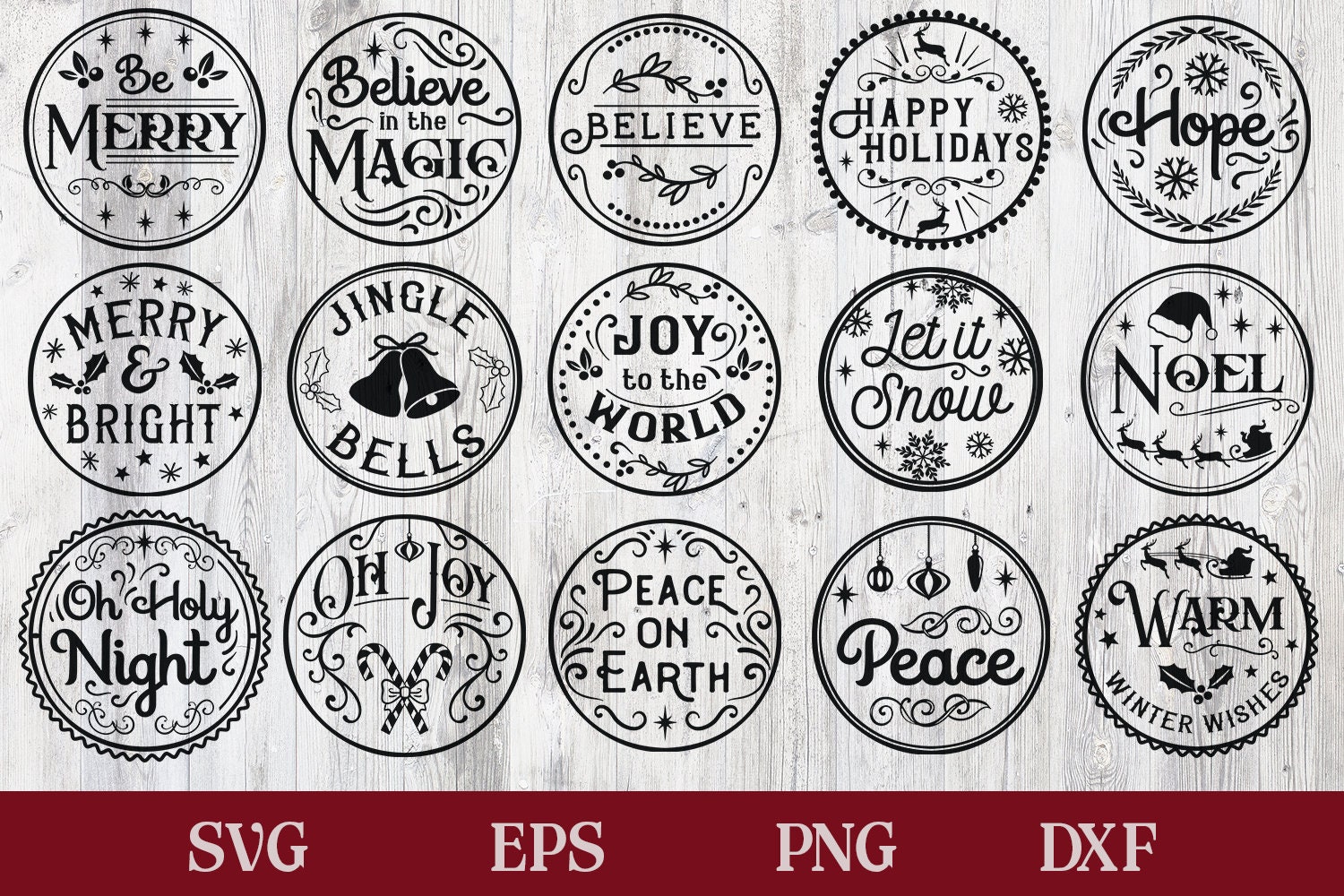
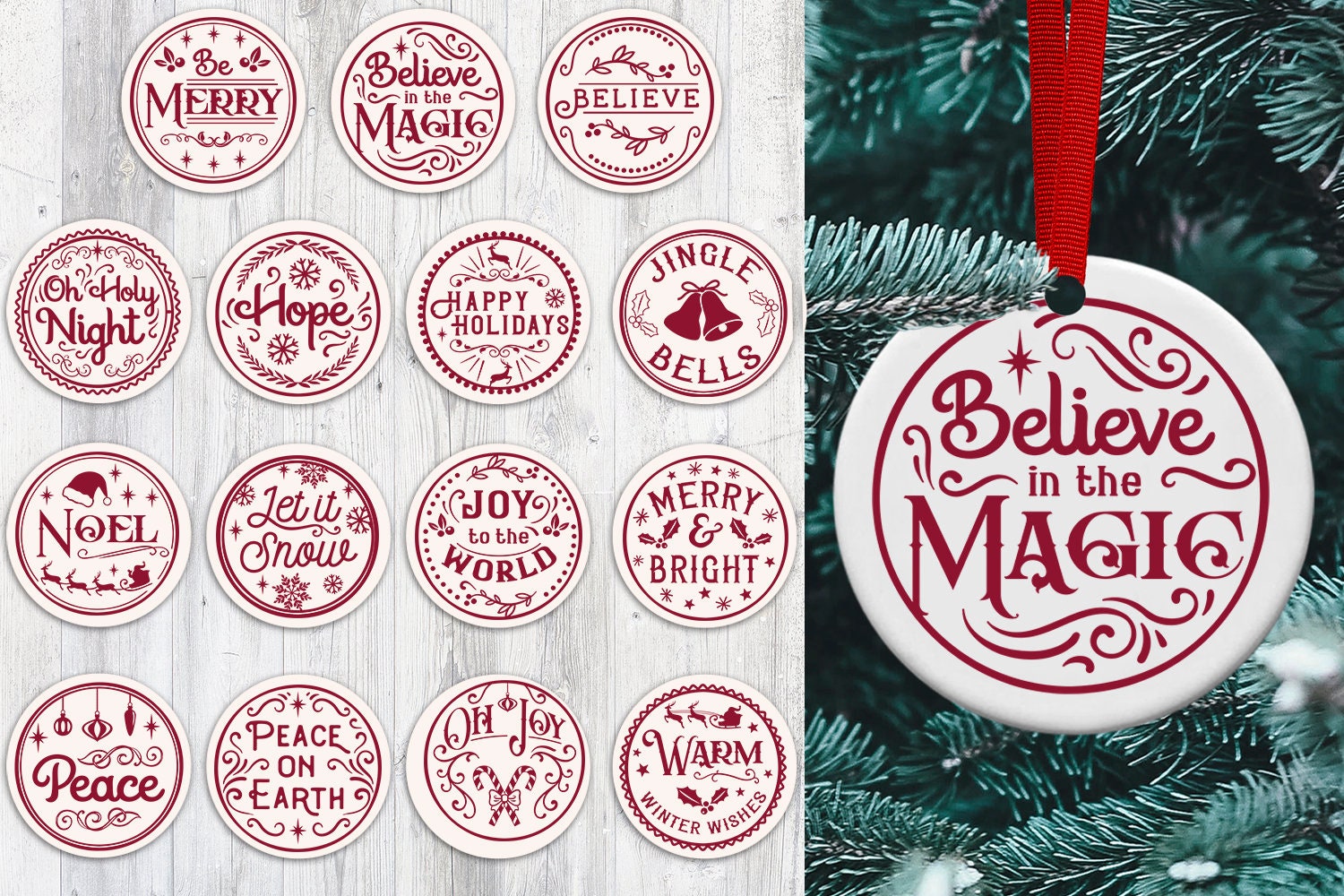
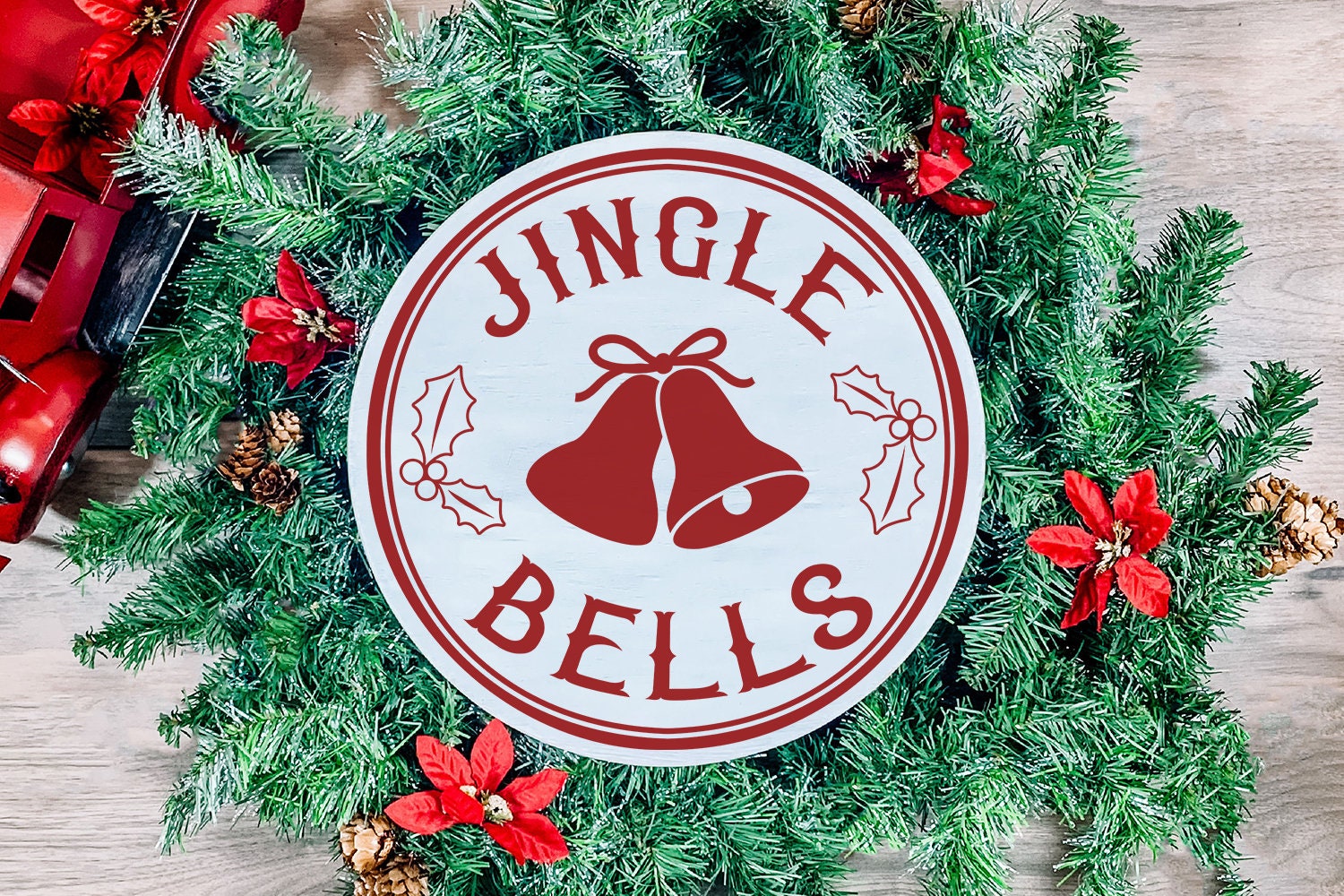
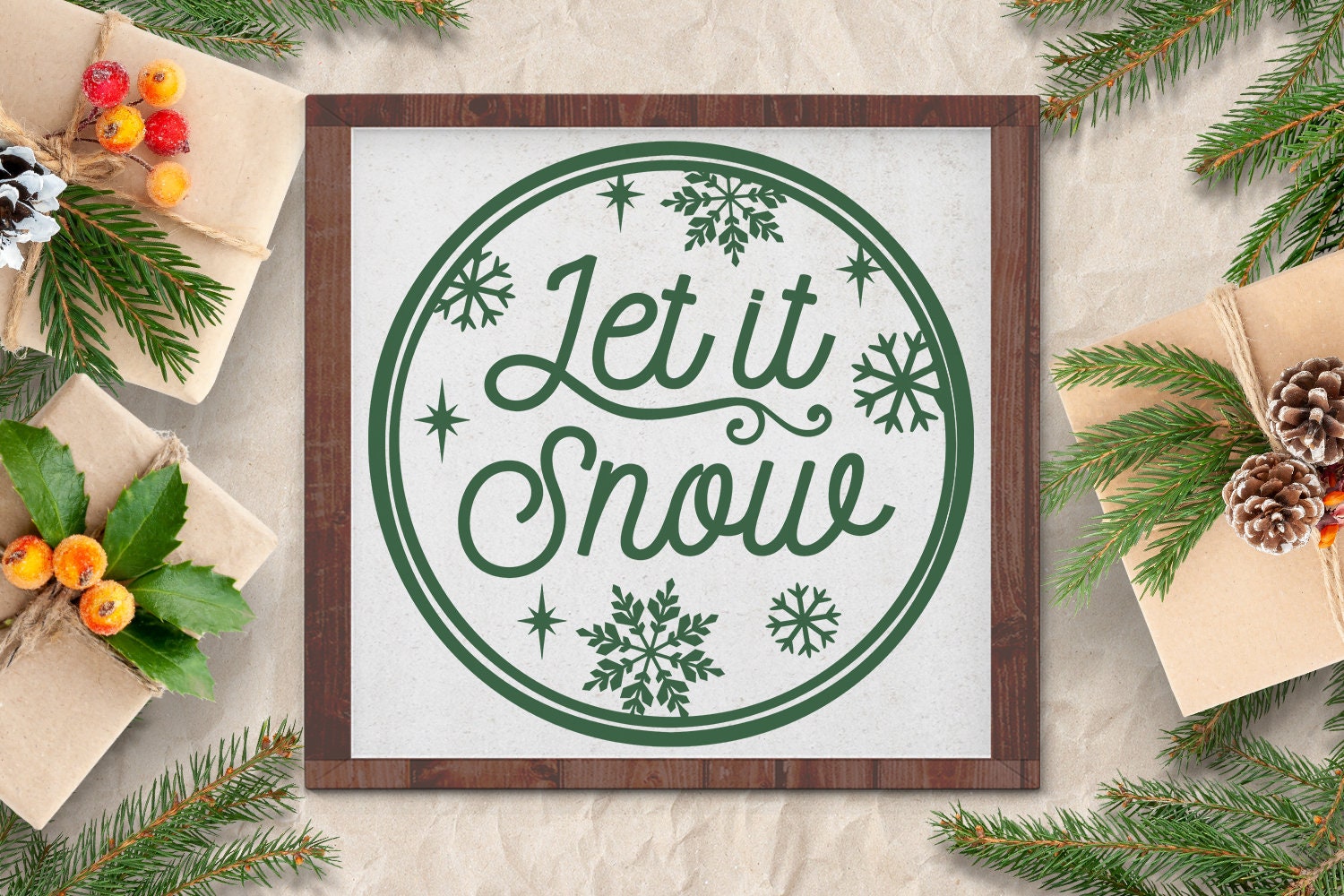
Christmas round signs have become an integral part of the holiday season, adorning windows, doors, and walls in homes and businesses around the world. These vibrant and colorful signs are not only a festive addition to the holiday decor, but they also hold a rich history and cultural significance. In this article, we will delve into the history of Christmas round signs, their evolution, and the role they play in modern-day holiday celebrations.
A Brief History of Christmas Round Signs
The earliest known Christmas round signs date back to the 17th century, during the Puritan era in England. During this time, Christmas was not widely celebrated, and any form of merriment or festive display was seen as a threat to the traditional values of the Puritan community. To counter this, craftsmen and artisans began creating hand-painted signs with festive designs, which they would display in their windows to signal their tolerance of the holiday.
These early signs were typically made from wood or metal and featured simple designs, such as holly leaves, berries, or other winter motifs. They were not specifically designed to be round, but rather took on a variety of shapes, depending on the materials available to the craftsman.
As the holiday season gained popularity, so too did the creation of Christmas round signs. By the 19th century, commercial sign makers had begun mass-producing these signs, making them more widely available to the general public. The introduction of modern materials, such as vinyl and plastic, also led to the development of more durable and versatile designs.
The Rise of Commercial Christmas Round Signs
The mid-19th century marked a significant turning point in the history of Christmas round signs. The Industrial Revolution had created a boom in consumer goods, and the demand for festive signs skyrocketed. Manufacturers began producing a wide range of styles and designs, catering to different tastes and decorating preferences.
This period also saw the emergence of popular decorating styles, such as Gothic Revival and Victorian-era aesthetic, which influenced the design of Christmas round signs. Craftsmen began incorporating elements such as floral patterns, garlands, and bows, creating a more ornate and elaborate look.
The introduction of pantograph machines in the late 19th century revolutionized the manufacturing process, allowing for mass production of signs with intricate designs. This increase in production capacity made Christmas round signs more accessible to a wider audience, contributing to their widespread popularity.
The Impact of Advertising and Pop Culture
The 20th century saw a significant shift in the role of Christmas round signs in modern society. With the advent of advertising and mass media, these signs became a key component of holiday marketing campaigns. Companies began using Christmas round signs to advertise their products, services, or brand image.
The rise of popular culture, including films, television shows, and celebrities, also contributed to the increasing visibility of Christmas round signs. Iconic characters, such as Mr. Santa and Mrs. Claus, began appearing on these signs, cementing their place in the public imagination.
Design Trends and Evolution
Over the decades, Christmas round signs have evolved to reflect changing design trends and cultural influences. Here are a few notable developments:
- Mid-century Modern: Characterized by clean lines, minimalist designs, and modern materials, Mid-century Modern Christmas round signs were a staple of the 1950s and 1960s.
- Retro: Inspired by vintage posters and advertisements, Retro-style Christmas round signs often feature nostalgic themes, such as classic cars and period-specific architecture.
- Skincare signs: A more modern evolution, these signs typically depict more abstract designs, inspired by minimalist art and geometric shapes.
- Nativist Signs: Represent Native American tradition, drawing elements such as feather, pine and deer depictions on these signs.
Why Christmas Round Signs Matter
Beyond their role as a festive decoration, Christmas round signs hold significant cultural and social value:
- Tradition and Continuity: Christmas round signs preserve a piece of historical and cultural heritage, connecting us to the past and providing a sense of continuity with previous generations.
- Community Building: Displaying a Christmas round sign in the window can serve as a welcoming signal, encouraging neighbors and friends to join in the festive celebration.
- Local Identity: Christmas round signs can communicate a specific sense of place or local identity, making them a unique feature of a community’s holiday tradition.
- Artistic Expression: Christmas round signs provide a canvas for artists to express themselves, experimenting with innovative designs and creative themes.
Conclusion
Christmas round signs are more than just a festive decoration; they hold a rich history, cultural significance, and personal meaning. As a popular decorating tradition, they have evolved over the centuries, influenced by changing design trends, technological advancements, and cultural shifts.
Whether you’re a fan of traditional designs or prefer modern interpretations, Christmas round signs play a vital role in the holiday season. They bring people together, provide a sense of community, and remind us of the significance of this special time of year.
In the words of a popular holiday charm, "The true meaning of Christmas is love, giving, and sharing, and through these Christmas round signs, you might find that a little tradition that keeps everybody together!"
Addendum: Collecting and Displaying Christmas Round Signs
For many, collecting and displaying Christmas round signs is a cherished hobby. If you’re interested in starting or expanding your collection, here are a few tips:
- Determine your style: Gather signs that reflect your favorite design aesthetic, such as classic, vintage, or modern elements.
- Choose a theme: Group signs by theme, such as Santa, reindeer, or festive landscapes.
- Consider the condition: Check for signs of wear, damage, or fading before purchasing or displaying your collection.
- Create a display: Showcase your collection on a wall, mantel, or within a decorative cabinet to add a festive touch to your holiday decor.
From a simple window sign to a thoughtfully curated collection, Christmas round signs have the power to transform your holiday experience into a memorable and joyful celebration of love, sharing, and community.



Closure
Thus, we hope this article has provided valuable insights into The History and Significance of Christmas Round Signs. We appreciate your attention to our article. See you in our next article!
Leave a Reply