The Timeless Christmas Classic: "Three Kings"
The Timeless Christmas Classic: "Three Kings"
Introduction
In this auspicious occasion, we are delighted to delve into the intriguing topic related to The Timeless Christmas Classic: "Three Kings". Let’s weave interesting information and offer fresh perspectives to the readers.
Table of Content
The Timeless Christmas Classic: "Three Kings"

The festive season is upon us, and with it comes a plethora of iconic Christmas carols that fill our hearts with joy and cheer. Among the most beloved and enduring of these songs is "Three Kings," a spiritual and enchanting testament to the enduring power of faith and tradition. In this article, we will delve into the history, significance, and adaptation of this classic Christmas carol, exploring its rich cultural context and the reasons it remains a staple of holiday celebrations worldwide.
A Brief History of "Three Kings"
The origins of "Three Kings" date back to the 13th century, when it was first composed as a medieval German carol. The song’s melody is believed to have been inspired by the ancient Gregorian chant, with a structure and musical style characteristic of the period’s courtly traditions. Over the centuries, the tune has undergone numerous adaptations and interpretations, including an 18th-century arrangement by the renowned English composer, Johann Friedrich Reichardt.
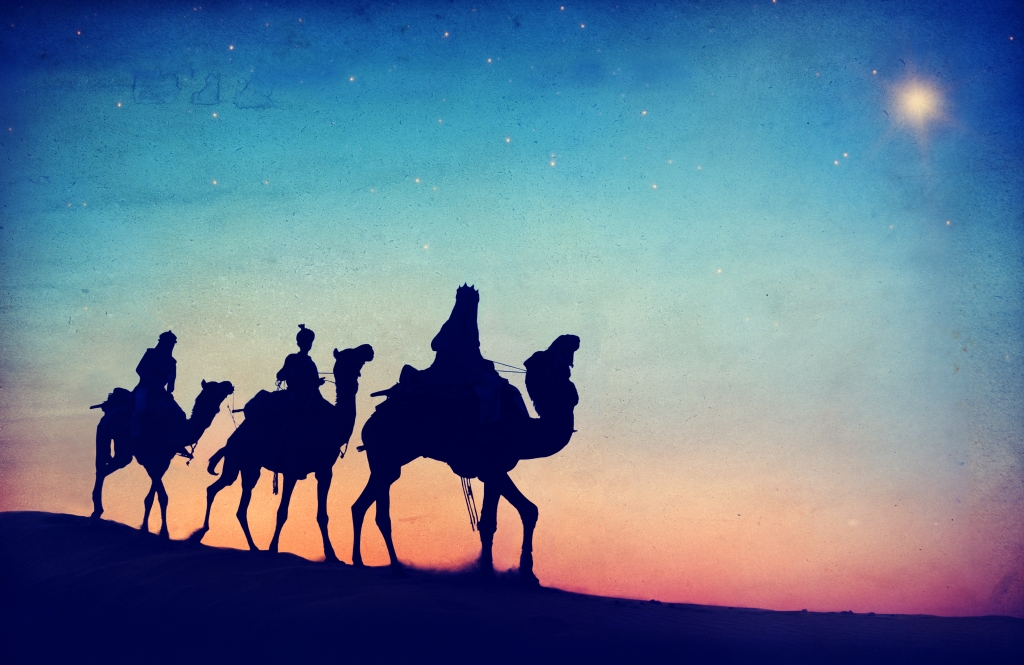
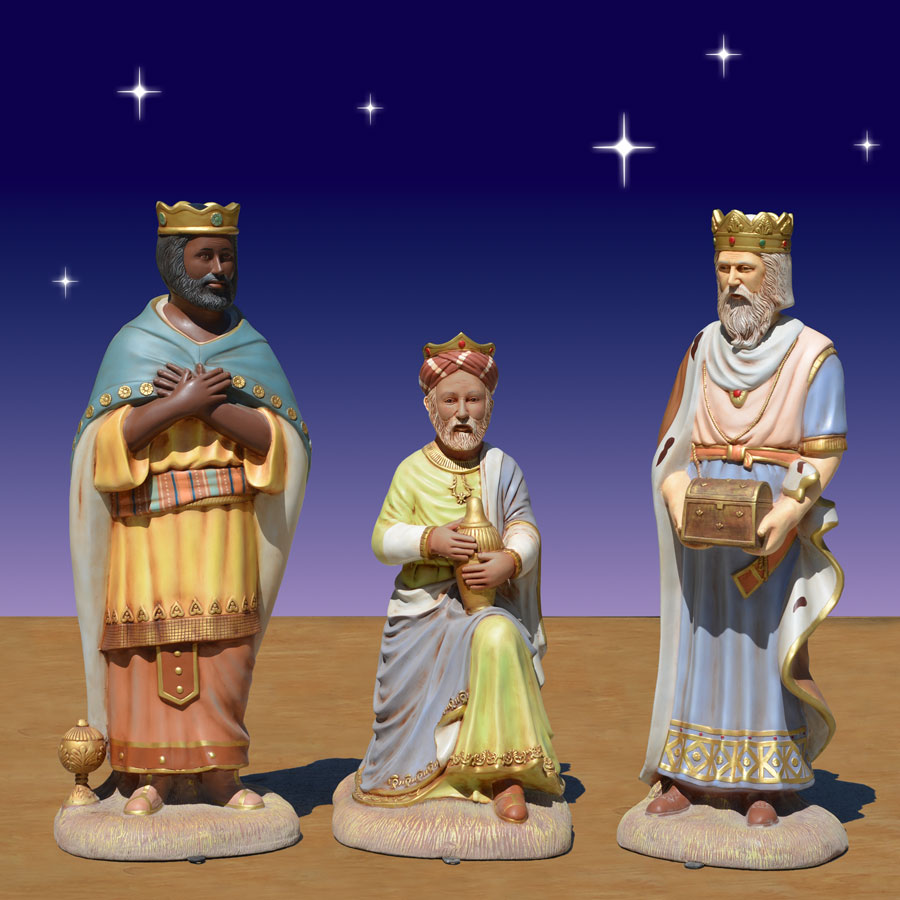
The lyrics of "Three Kings" have also undergone significant changes, reflecting shifts in cultural and theological perspectives. In its earliest form, the carol focused on the biblical account of the Magi, wise men from the East who followed the Star of Bethlehem to pay homage to the newborn Jesus. The song’s original title, "Vom Himmel Hoch," translates to "From Heaven Above" in English, and its opening lines reflect this celestial theme:
"From heaven above, to earth I come,
O earth, behold the King of kings in thee;"
The modern adaptation of "Three Kings," often rendered as a soothing and meditative dirge, typically omits these lyrics and instead emphasizes the song’s historical context, evoking a sense of reverence and awe.
Significance and Cultural Context
"Three Kings" holds a special place in the pantheon of Christmas carols due to its unique blend of spirituality, mythology, and cultural symbolism. The song’s evocation of the Magi’s journey to Bethlehem serves as a powerful metaphor for the universal quest for truth and enlightenment. By invoking the ancient astrologers’ pursuit of the Star of Bethlehem, the carol transports listeners to a realm of enchantment, reminding us of the enduring allure of the unknown and the mystical.
The song’s historical context is equally fascinating. Composed during the late medieval period, "Three Kings" reflects the resurgence of interest in classical knowledge and learning, which was sparked by the Renaissance humanist movement. The carol’s text, with its references to astronomy, mathematics, and ancient wisdom, whispers a message of intellectual curiosity and a thirst for understanding.
Adaptation and Influence
The adaptation of "Three Kings" over the centuries has led to the creation of diverse and captivating interpretations, each reflecting the cultural and artistic sensibilities of its time. Some notable adaptations include:
- Britten’s "A Ceremony of Carols": Benjamin Britten’s 1942 arrangement of "Three Kings" for treble voices and harp is considered a masterpiece of modern choral music. The composer’s innovative use of hymnody and musical imagery imbues the carol with a sense of delicate elegance and poignant introspection.
- Lutosławski’s "Sinfonia Decet": The Polish composer Witold Lutosławski’s reworking of "Three Kings" as part of his 1960 Sinfonia Decet is a testament to the song’s adaptability and its capacity to evoke diverse musical landscapes.
- Gregorian Music: The adaptation of "Three Kings" into the realm of Gregorian chant, with its distinctive monophonic textures and hypnotic rhythms, adds a new layer of depth and spirituality to the carol, echoing the mystical atmosphere of early Christian liturgy.
Popular and Classical Interpretations
"Three Kings" has been performed by numerous artists in a wide range of settings, from classical choral ensembles to jazz and folk trios. Some notable interpretations include:
- Josh Groban’s "Believe": The popular singer’s rendition of "Three Kings" as a soaring ballad showcases his powerful vocals and a more pop-oriented arrangement.
- Amy Grant’s "Christmas": The Christian contemporary artist’s adaptation of "Three Kings" is an intimate and heartfelt reflection on the song’s themes of faith and devotion.
- The Andrew Lloyd Webber’s "Music of the Night": This 2007 arrangement by Andrew Lloyd Webber, an arrangement of the song from his ‘Music of the Night’, reinvents the carol, which is featured using ‘Phantom of the Opera’, the iconic score of that show.
Musical Analysis
The melody of "Three Kings" is characterized by a range of distinctive musical features, including:
- Architectural structure: The carol’s use of overlapping phrases, recitative, and musical bridges creates a compelling narrative and aural landscape.
- Intervals: The song’s bold use of stepwise motion and leaping intervals serves to evoke a sense of emotional contrast and melodic drama.
- Modal thinking: The carol’s adoption of medieval modes, with their characteristic symmetries and parallelisms, contributes to its quaint, old-world charm.
The harmonization of "Three Kings" reflects a subtle interplay between dissonance and resolution, creating a delicate balance of tension and release. The integration of chromatic harmony and free counterpoint develops a deeply nuanced and expressive dialogue, generating a haunting and ethereal atmosphere.
Legacy and Revival
"Three Kings" has left an indelible mark on the world of music and holiday celebrations. Its timeless message of hope and redemption continues to inspire countless adaptations and reinterpretations, each tailored to a new era’s creative sensibilities. From classical concerts to children’s carol parties, the joy and wonder of "Three Kings" ensure its enduring relevance and popularity.
In conclusion, "Three Kings" stands as a testament to the enduring power of festive music to evoke emotions, connect people, and shape cultural traditions. Through its intricate web of historical context, musical adaptations, and timeless themes, this Christmas classic embodies the triumphant voice of hope and faith, becoming an integral part of our lives and celebrations.




Closure
Thus, we hope this article has provided valuable insights into The Timeless Christmas Classic: "Three Kings". We hope you find this article informative and beneficial. See you in our next article!
Leave a Reply