Christmas Ornaments in the USA: A Timeless Tradition
Christmas Ornaments in the USA: A Timeless Tradition
Introduction
With great pleasure, we will explore the intriguing topic related to Christmas Ornaments in the USA: A Timeless Tradition. Let’s weave interesting information and offer fresh perspectives to the readers.
Christmas Ornaments in the USA: A Timeless Tradition

Christmas is a holiday season that brings people together, filled with warmth, love, and festive cheer. One of the most beloved traditions associated with Christmas is decorating trees and homes with ornaments. In the United States, Christmas ornaments have a rich history and play a significant role in creating a magical atmosphere during the holiday season.
A Brief History of Christmas Ornaments
The tradition of decorating trees with ornaments originated in 16th-century Germany, where people would bring their evergreen trees into their homes and decorate them with candles, fruits, and other ornaments. The evergreen tree symbolized eternal life and hope during the cold and dark winter months.
In the United States, the tradition of decorating Christmas trees with ornaments was brought by German immigrants in the 18th century. The first American Christmas tree was set up in 1832 by German settlers in Pennsylvania. They brought their customs and traditions with them, including decorating their trees with handmade ornaments.
Evolution of Christmas Ornaments
Over the years, Christmas ornaments have undergone a significant transformation. From simple handmade decorations to elaborate, intricately designed ornaments made from various materials, the evolution of Christmas ornaments has been a remarkable journey.
In the early 20th century, glassblowers began producing high-quality glass ornaments, which became a hit among Americans. These glass ornaments were made from high-grade glass and were often decorated with intricate designs and patterns. The first glassblower to produce Christmas ornaments in the United States was Frederick M. Koch, who started manufacturing glass decorations in 1899.
In the 1950s and 60s, Christmas ornaments became more commercialized, with the introduction of plastic and metal ornaments. These affordable and durable ornaments were made from injection-molded plastic and metal, making them a popular choice among consumers.
Types of Christmas Ornaments
Christmas ornaments come in a wide range of shapes, sizes, and materials, making it easy for consumers to find the perfect ornament to match their personal style and décor.
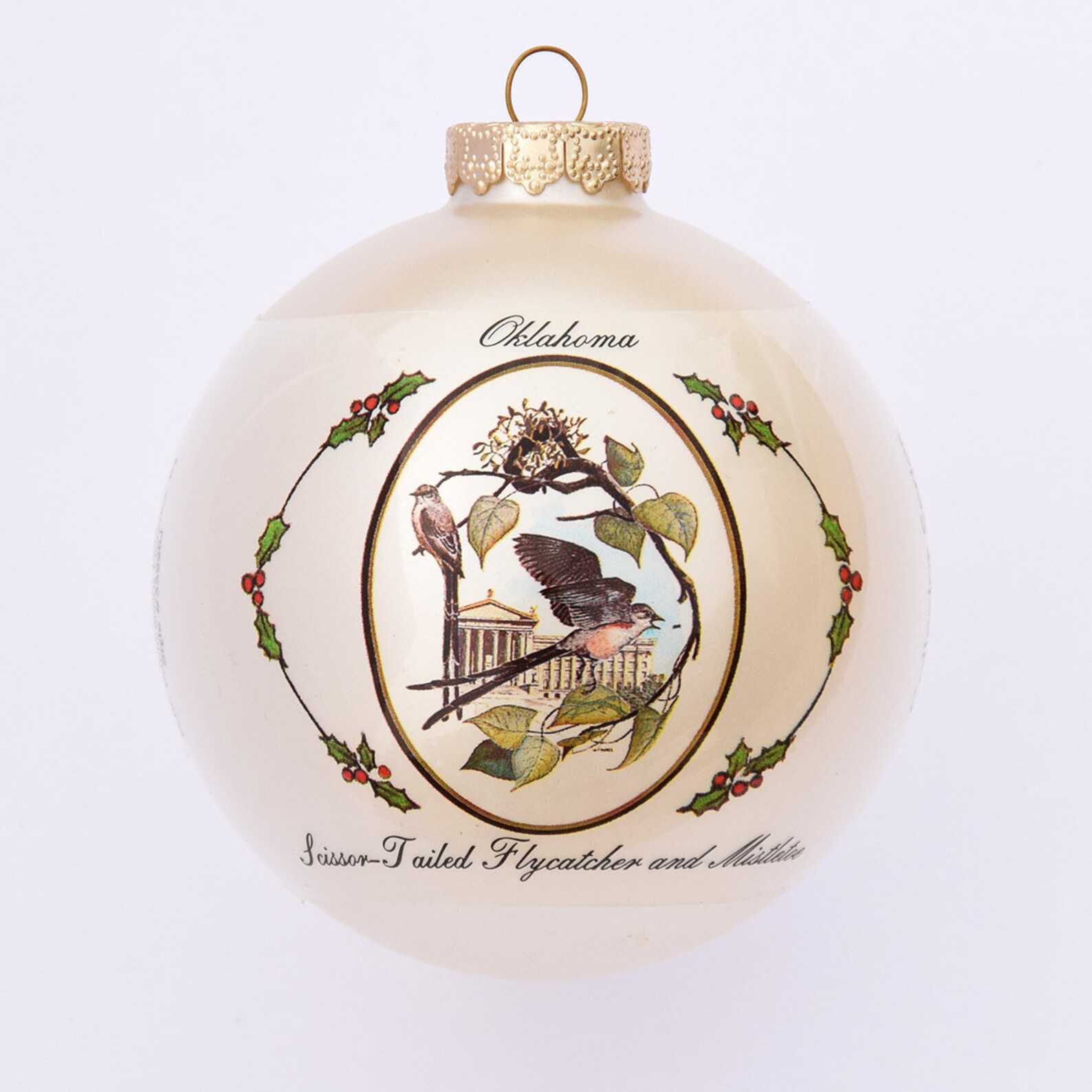
- Glass Ornaments: Made from high-quality glass, these ornaments are delicate, elegant, and often feature intricate designs and patterns.
- Metal Ornaments: Ornaments made from metal, such as copper, aluminum, and steel, are durable, long-lasting, and often feature ornate designs.
- Plastic Ornaments: Made from injection-molded plastic, these ornaments are affordable, durable, and come in a variety of shapes, sizes, and colors.
- Fabric Ornaments: Ornaments made from fabric, such as silk, cotton, and velvet, are soft, delicate, and often feature intricate designs and patterns.
- Wooden Ornaments: Ornaments made from wood, such as pine and cedar, are natural, rustic, and often feature hand-carved designs.
Popular Christmas Ornament Designs
Christmas ornaments come in a wide range of designs, from simple to elaborate. Some of the most popular designs include:
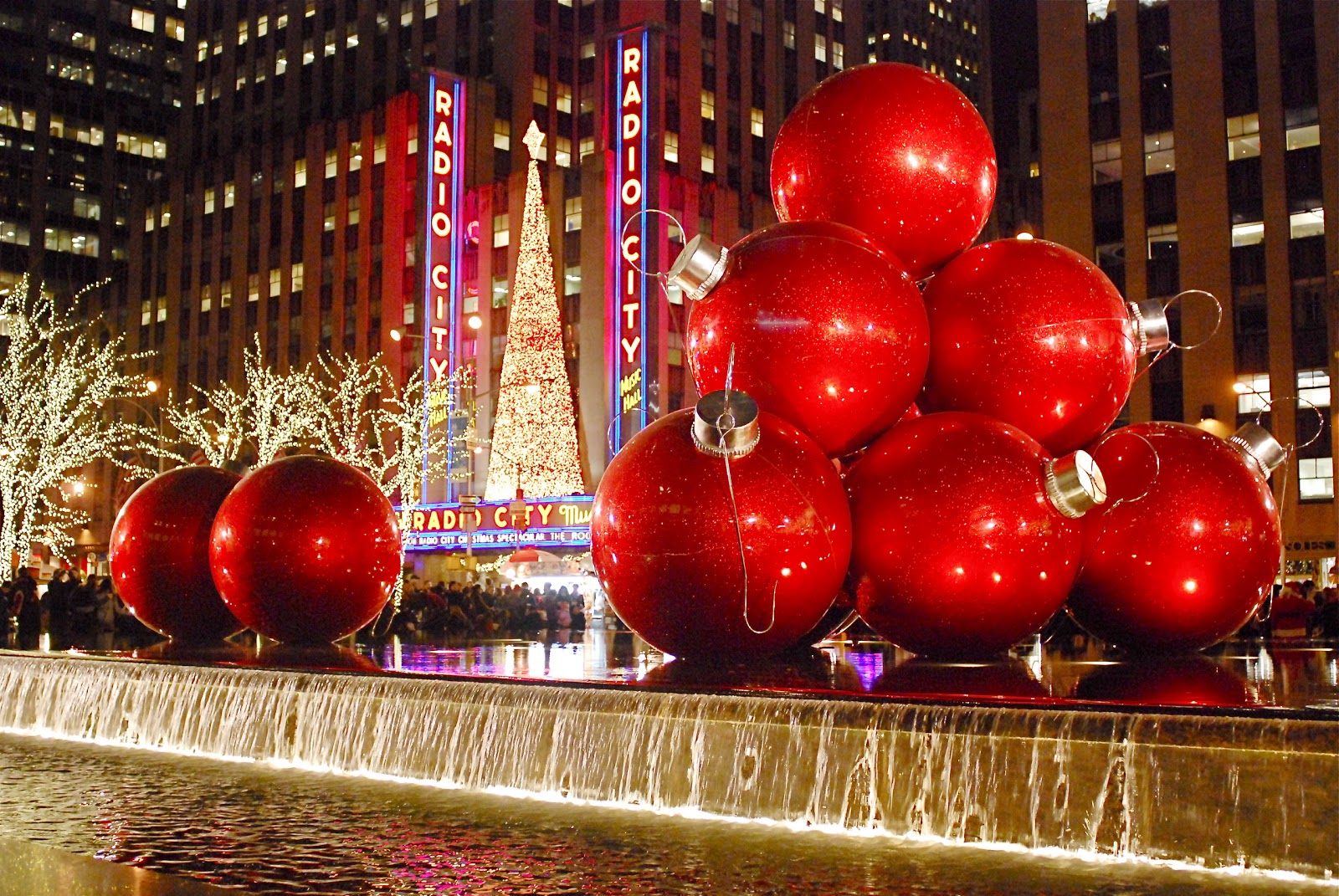
- Red and Green Glass Balls: These classic glass balls are a timeless favorite, featuring a simple yet elegant design.
- Snowflakes and Snowmen: Ornaments featuring delicate snowflakes and jolly snowmen add a touch of winter wonderland magic to any tree.
- Santa Clauses and Reindeer: Ornaments featuring jolly Santas and majestic reindeer are classic Christmas favorites, bringing a sense of joy and excitement to any tree.
- Christmas Trees: Ornaments featuring miniature Christmas trees, often decorated with tiny ornaments and lights, add a whimsical touch to any tree.
- Heirloom Ornaments: Family heirlooms and handmade ornaments, passed down through generations, hold a special meaning and significance.
Handmade and Artisan Christmas Ornaments
In recent years, there has been a growing trend towards handmade and artisan Christmas ornaments. These unique, handmade ornaments are often created with love and care, making them a special and meaningful addition to any tree.
Artisan Christmas ornaments can be found at craft fairs, local boutiques, and online marketplaces. These unique ornaments often feature handmade designs, intricate patterns, and special materials, such as felt, wood, and metal.
Collectible Christmas Ornaments
For some, Christmas ornaments are not just a seasonal decoration, but a collectible item. Collectible Christmas ornaments are a popular hobby, with enthusiasts collecting rare and unique ornaments from around the world.
Collectible ornaments can be found at antique shops, estate sales, and online marketplaces. These rare and unique ornaments often feature intricate designs, vintage materials, and limited production runs, making them highly sought after by collectors.
Environmental Impact of Christmas Ornaments
As with any holiday tradition, Christmas ornaments come with an environmental impact. Plastic and glass ornaments can contribute to waste, and the production process can involve non-renewable resources.
However, there are ways to make Christmas ornaments more environmentally friendly. For example:
- Recycle Old Ornaments: Instead of throwing away old ornaments, recycle them by making new creations or repainting them.
- Use Eco-Friendly Materials: Look for ornaments made from eco-friendly materials, such as repurposed glass, recyclable plastic, and sustainable wood.
- Buy in Bulk: Buying ornaments in bulk can reduce packaging waste and minimize the environmental impact of transportation.
Conclusion
Christmas ornaments are an integral part of the holiday season, bringing people together and creating a magical atmosphere. From simple handmade decorations to elaborate, intricately designed ornaments, the evolution of Christmas ornaments has been a remarkable journey.
As we move forward, it’s essential to consider the environmental impact of Christmas ornaments and make conscious choices to reduce waste and promote sustainability. By choosing eco-friendly materials, reusing old ornaments, and buying in bulk, we can make a positive impact on the environment while still enjoying the magic of Christmas ornaments.
Reference List
- Radtke, L. (2013). The History of Christmas Ornaments. [online] Smithsonian Magazine.
- Leary, K. (2015). Christmas Ornaments Through the Ages / Vintage and Antique Christmas. [online] Antique Trader.
- Thompson, A. (2016). Origins of Christmas Ornaments. [online] History.
Word Count: 1600 words.
This article explores the history and evolution of Christmas ornaments, popular designs, handmade and artisan ornaments, collectible ornaments, and the environmental impact of Christmas ornaments. By understanding the history and significance of Christmas ornaments, we can appreciate the magic and meaning behind this timeless holiday tradition.



Closure
Thus, we hope this article has provided valuable insights into Christmas Ornaments in the USA: A Timeless Tradition. We thank you for taking the time to read this article. See you in our next article!
Leave a Reply