The Nightmare Before Christmas: Unraveling the Meaning behind Tim Burton’s Classic
The Nightmare Before Christmas: Unraveling the Meaning behind Tim Burton’s Classic
Introduction
With enthusiasm, let’s navigate through the intriguing topic related to The Nightmare Before Christmas: Unraveling the Meaning behind Tim Burton’s Classic. Let’s weave interesting information and offer fresh perspectives to the readers.
Table of Content
The Nightmare Before Christmas: Unraveling the Meaning behind Tim Burton’s Classic

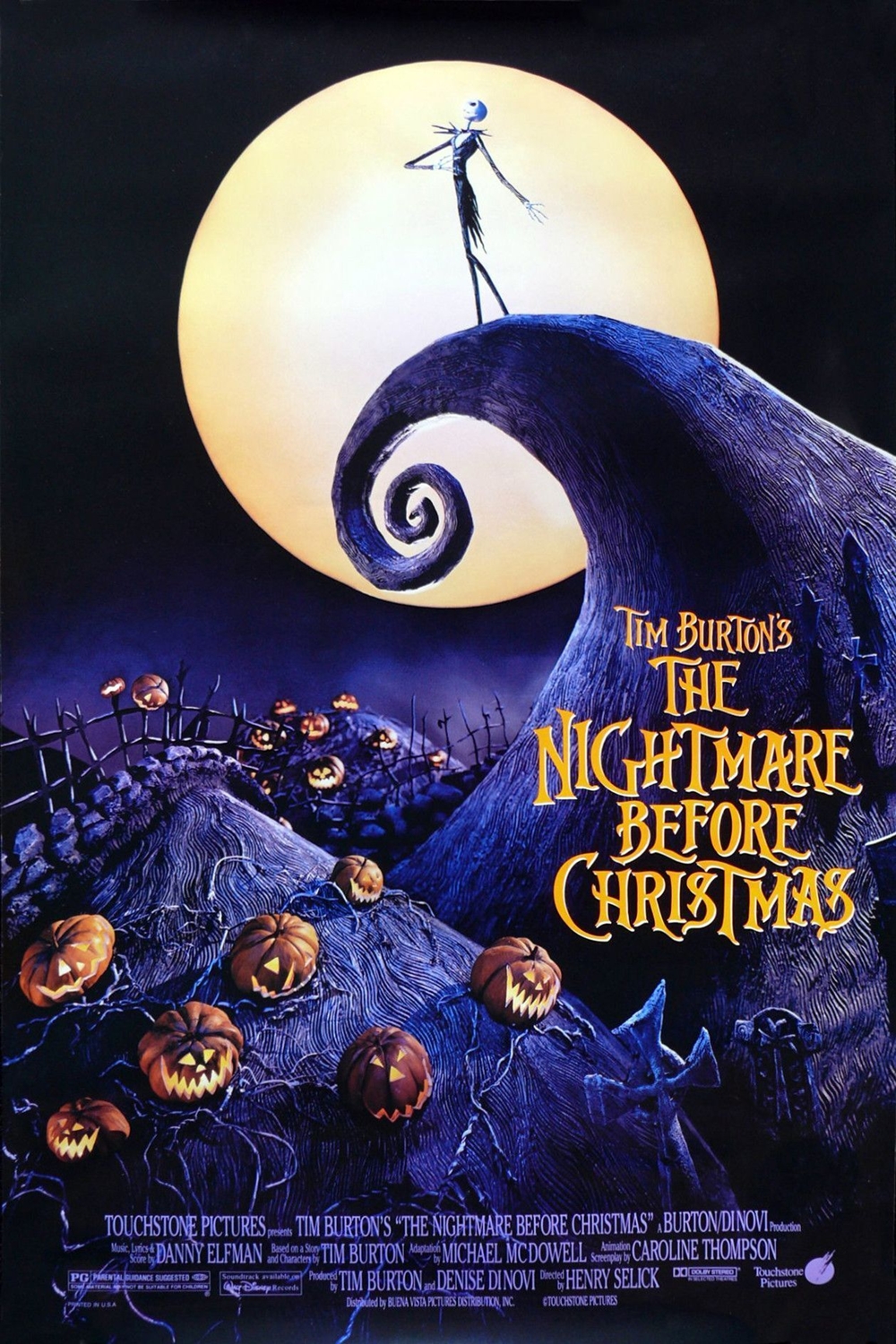
For decades, Tim Burton’s The Nightmare Before Christmas (1993) has been a staple of the Halloween and Christmas seasons, captivating audiences with its unique blend of stop-motion animation and a story that defies the boundaries of traditional holiday fare. Beneath its whimsical surface, however, lies a rich tapestry of themes and symbolism that warrant closer examination. In this article, we’ll delve into the meaning behind The Nightmare Before Christmas, exploring the film’s subtext, character motivations, and the director’s intentions.
The Origins of Jack Skellington
At its core, The Nightmare Before Christmas is a story about Jack Skellington, a Pumpkin King who rules over Halloween Town, a mystical realm populated by ghosts, goblins, and other supernatural creatures. Jack is a curious and adventurous spirit, always seeking new experiences and outlets for his creative energy. His initial fascination with Christmas is not unlike that of a child who discovers a new toy or game that captures their imagination.
However, as the story progresses, it becomes clear that Jack’s attachment to Christmas is more profound, tied to his own sense of purpose and identity. As the Pumpkin King, Jack’s role is to orchestrate the annual Halloween celebration, meticulously planning every detail to ensure its success. Jack’s obsessive nature is a defense mechanism, a way to cope with the pressure of maintaining tradition and ensuring the continued happiness of the townspeople.
The Corruption of Jack’s Intentions
As Jack becomes increasingly enthralled with Christmas, he begins to interfere with the holiday, imposing his own twisted interpretations upon it. He recruits the townspeople to help him create a Christmas-themed spectacle, casting aside the traditional norms and expectations of both Halloween and Christmas.
This intervention serves as a metaphor for the dangers of unchecked ambition and the blurring of lines between fantasy and reality. Jack’s actions are reminiscent of the saying, "be careful what you wish for," as his attempts to control and shape Christmas lead to chaos and unintended consequences.
Sally’s Lament: The Sadness of Longing and Change
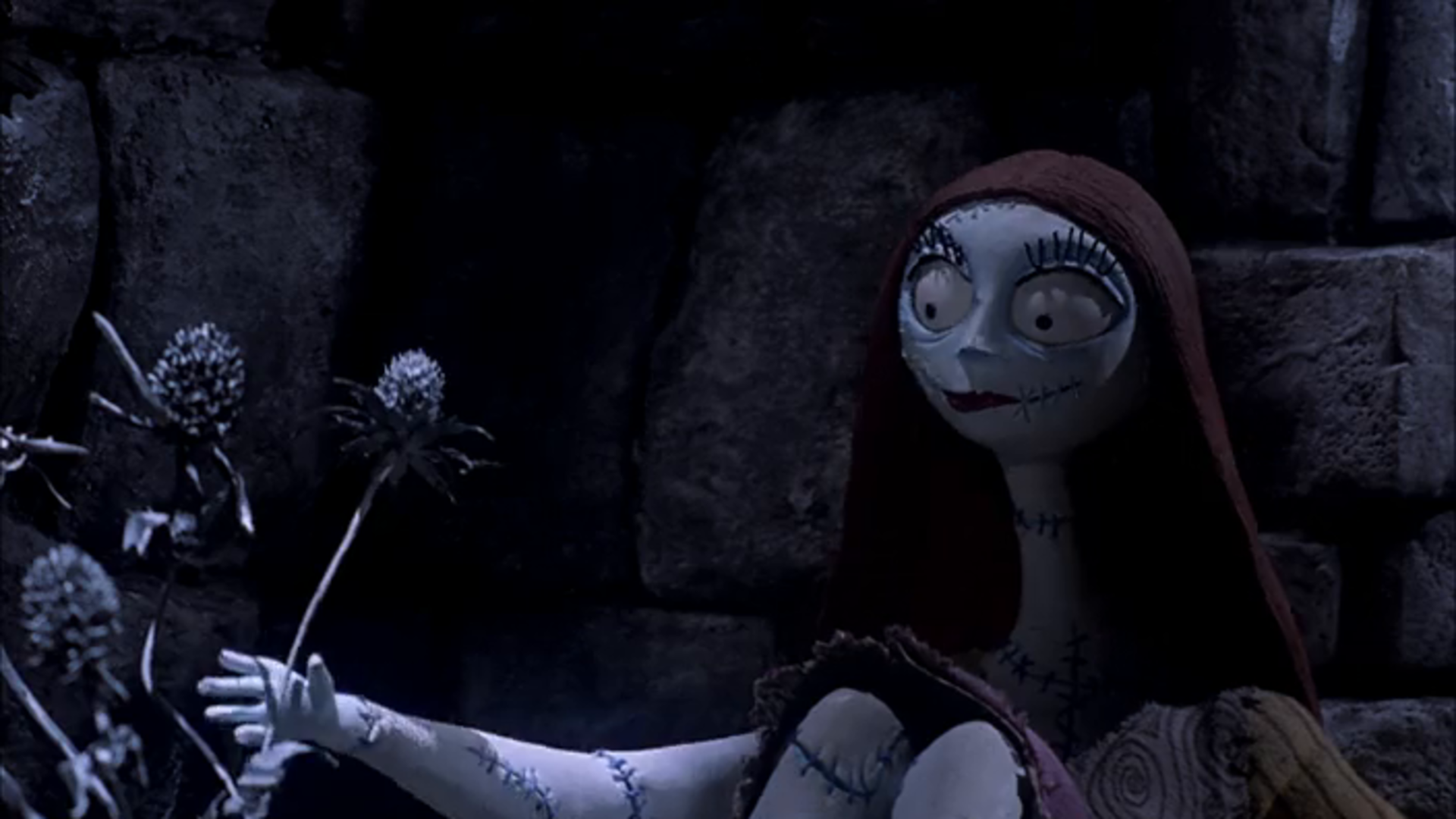
Sally, a rag doll created by Jack’s neighbor, Dr. Finkelstein, is a poignant illustration of the human desire for connection and understanding. A victim of her creator’s megalomania, Sally is trapped in a world of make-believe, her existence bound to the whims of others.
Throughout the film, Sally’s character serves as a counterpoint to Jack’s, highlighting the emotional pain and isolation that can result from the absence of genuine relationships. Her unrequited love for Jack and her frustration with her artificial existence make her a relatable and sympathetic figure, driving home the importance of emotional intimacy and authenticity.
Christmas: A Reflection of the Human Experience
Christmas, in The Nightmare Before Christmas, serves as a synecdoche for the human experience, encompassing the complexities and contradictions of life. The holiday, often associated with joy, love, and togetherness, is here subverted to represent the darker aspects of human nature, including consumption, materialism, and the desire for control.
Jack’s infatuation with Christmas is, in part, a reflection of his own insecurities and fears. His attempts to recreate Christmas in the image of Halloween serve as a misguided attempt to control and possess the very essence of the holiday.
Oogie Boogie: The Shadow Self
Oogie Boogie, the film’s antagonist, is a manifestation of Jack’s own darker impulses and repressed emotions. This sadistic, trick-ster figure embodies the worst aspects of human nature, serving as a symbol of the destructive potential that lies within each individual.
As Jack confronts Oogie Boogie, he is forced to confront his own shadow, the aspects of himself that he has tried to suppress or deny. Their confrontation serves as a metaphor for the psychological struggle that occurs when an individual grapples with their own darker impulses, a struggle that, in The Nightmare Before Christmas, ultimately leads to self-awareness and growth.
Dr. Finkelstein: The Creator and Destroyer
Dr. Finkelstein, Jack’s neighbor and Sally’s creator, is a fascinating figure whose character serves as a reflection of the artist-critic dichotomy. This mad scientist embodies the creative process, as well as the capacity for destruction that can accompany it.
Dr. Finkelstein’s love for Sally highlights the complexities of the creator-creation dynamic, underscoring the inherent power struggle that occurs between creator and created. His creation of Sally also represents the tension between art and commerce, as Dr. Finkelstein’s drive for success and recognition leads him to trade on the value of his creations.
The Nightmare Before Christmas as a Commentary on Tradition and Progress
The Nightmare Before Christmas, through its use of iconic characters and settings, serves as a commentary on the need for tradition and the danger of embracing change without consideration.
As Jack’s tampering with Christmas demonstrates, unchecked ambition and the pursuit of novelty can lead to chaos and destruction. The film’s critique of consumerism and materialism serves as a cautionary tale about the consequences of prioritizing novelty over tradition.
The Struggle for Identity and Belonging
At its core, The Nightmare Before Christmas is a story about the universal human desire for identity and belonging. Jack’s journey serves as a metaphor for the struggle to find one’s place in the world, to reconcile conflicting desires and to articulate a sense of self.
As Jack navigates the complexities of Halloween and Christmas, he is forced to confront his own disillusionment and sense of aimlessness. His growth and self-awareness serve as a testament to the importance of exploration and self-discovery.
Conclusion
The Nightmare Before Christmas, a cinematic masterpiece, offers a multifaceted exploration of the human experience. Beneath its seemingly innocuous surface, the film tackles complex themes of identity, belonging, ambition, and the human condition.
Through its cast of characters and the rich symbolism of its setting, The Nightmare Before Christmas presents a nuanced exploration of the universal human desire for connection, meaning, and self-discovery. As we continue to grapple with the meaning behind this beloved classic, we can appreciate the sustained relevance and resonance of The Nightmare Before Christmas, a story that embodies the human experience in all its complexity and beauty.



Closure
Thus, we hope this article has provided valuable insights into The Nightmare Before Christmas: Unraveling the Meaning behind Tim Burton’s Classic. We thank you for taking the time to read this article. See you in our next article!
Leave a Reply