A Christmas Carol: A Character Analysis of Dickens’ Timeless Masterpiece
A Christmas Carol: A Character Analysis of Dickens’ Timeless Masterpiece
Introduction
With enthusiasm, let’s navigate through the intriguing topic related to A Christmas Carol: A Character Analysis of Dickens’ Timeless Masterpiece. Let’s weave interesting information and offer fresh perspectives to the readers.
Table of Content
A Christmas Carol: A Character Analysis of Dickens’ Timeless Masterpiece
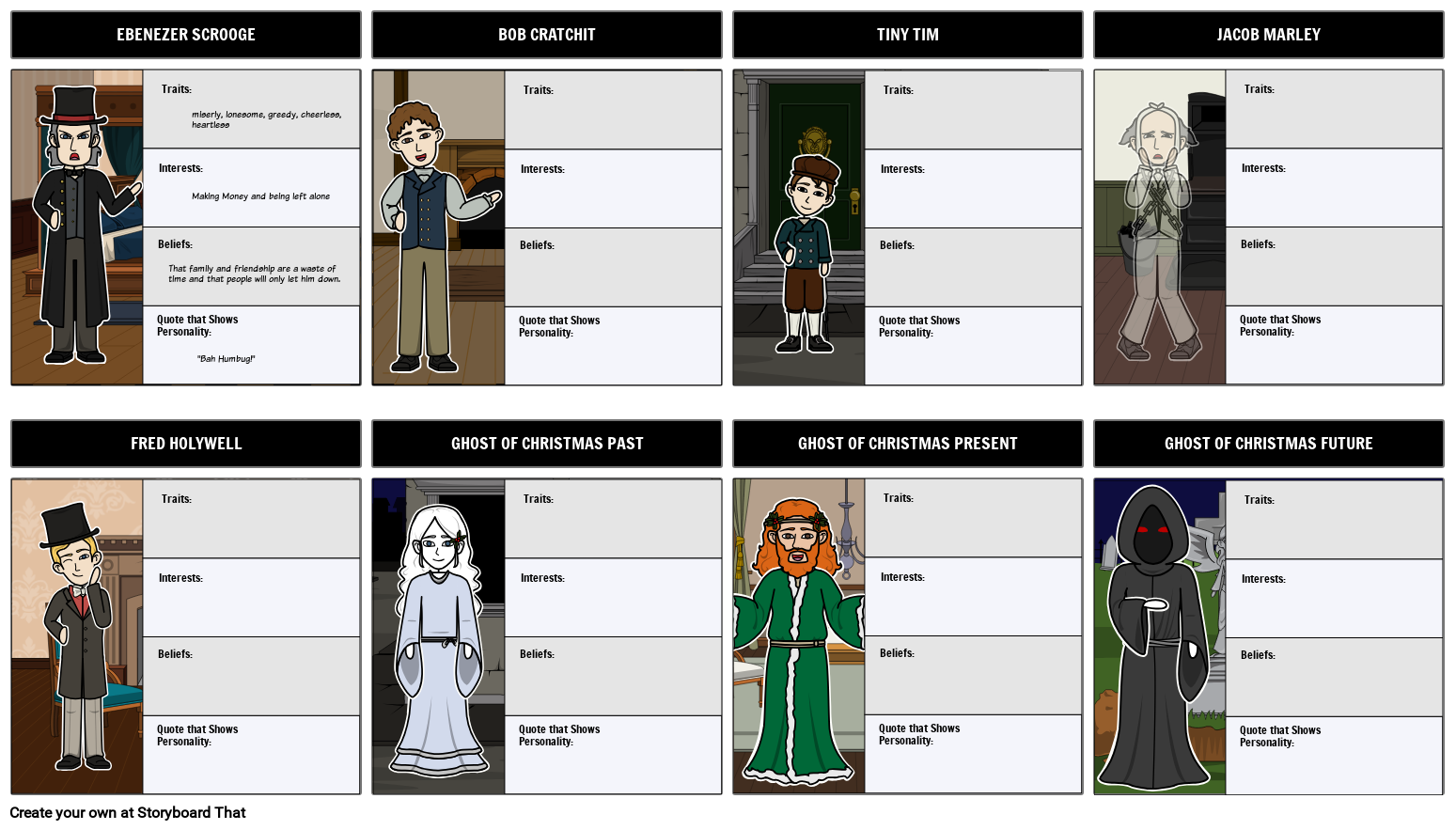
Charles Dickens’ novella, "A Christmas Carol," has been a beloved classic since its publication in 1843. This timeless tale of redemption and transformation has captivated readers for generations with its well-crafted characters, moral lessons, and the author’s vivid descriptions of Victorian London. In this article, we will delve into the complexities of Dickens’ characters, exploring their motivations, relationships, and significance in the narrative.
Ebenezer Scrooge: The Antagonist-turned-Heroin
Scrooge, the miserly and cold-hearted owner of a counting house, is the central figure of the story. Through Scrooge’s transformation, Dickens illustrates the redemptive power of kindness and generosity. Scrooge is initially portrayed as a heartless, self-centered person, who scorns Christmas and the poor. His notorious reputation as a "Grinch" is well-deserved, as he has no qualms about exploiting his employees and refusing to help those in need.
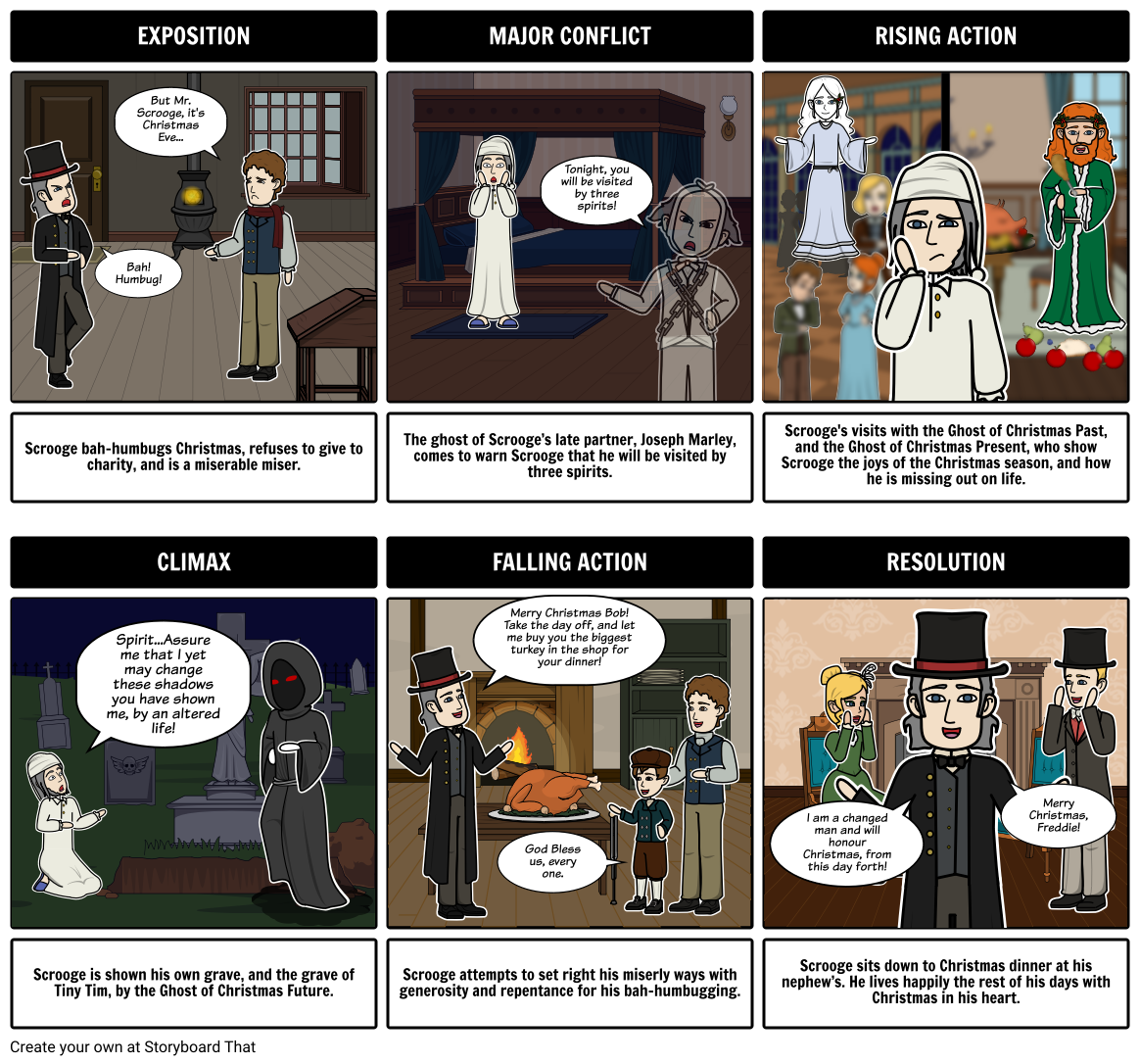
However, as Scrooge is visited by the three ghosts, his character undergoes a significant transformation. He begins to see the world from a different perspective, realizing the error of his ways and the value of kindness and compassion. Scrooge’s famous cry, "Bah! Humbug!" becomes a symbol of his gradual change of heart, as he gradually warms up to the idea of Christmas and humans. By the end of the story, Scrooge has become a kinder, gentler version of himself, as evident in his actions, such as donating to charity and treating his employees with respect.
Marley’s Ghost: The Conscience of Ebenezer Scrooge
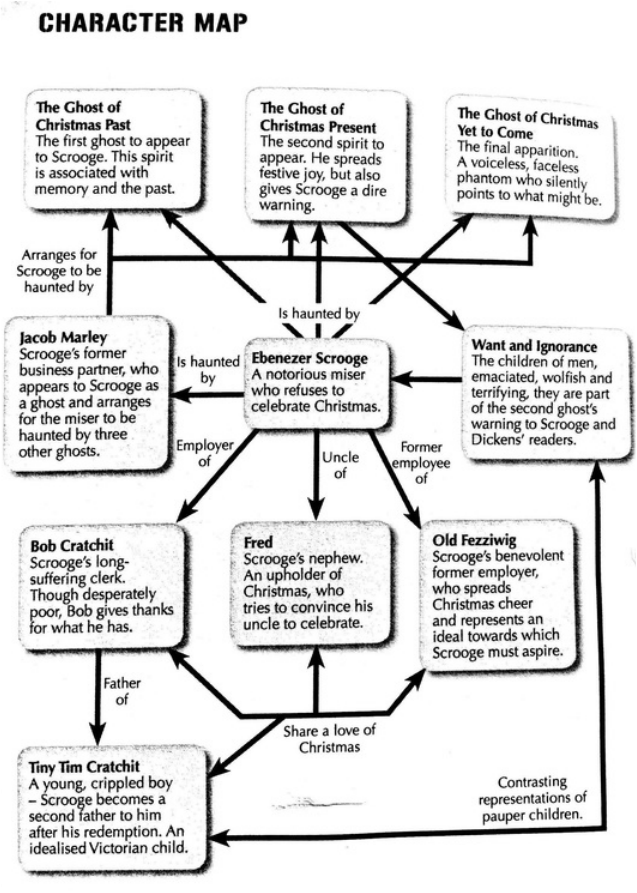
Marley’s Ghost is a pivotal character in the narrative, serving as a harbinger of Scrooge’s transformation. Marley, a close friend of Scrooge, has died and is doomed to wander the earth, wearing heavy chains that symbolize his own guilt and regret. As Marley’s Ghost appears to Scrooge, he is tormented by the prospect of Scrooge suffering the same fate.
Marley’s Ghost is a manifestation of Scrooge’s conscience, urging him to change his ways and adopt a more generous and caring attitude. Scrooge’s resistance to Marley’s warnings is a testament to his entrenched ego and resistance to change. However, once Scrooge undergoes the transformative visits from the three spirits, he begins to understand the gravity of his mistakes and the importance of compassion.
The Three Spirits: Portents of Change and Redemption
Dickens employs the metaphor of the three spirits – the Ghost of Christmas Past, Present, and Yet to Come – to convey the message of redemption and transformation. These supernatural beings embody the themes of the story, each representing a different aspect of Scrooge’s personality.
The Ghost of Christmas Past, a gentle and benevolent figure, represents Scrooge’s memories and experiences. She highlights Scrooge’s youthful love and happiness, which have been suppressed by his current miserliness. The Ghost’s appearance prompts Scrooge to reflect on his past and recognize the choices that led to his current state.
The Ghost of Christmas Present, a jovial and imposing figure, represents the world of contemporaneity and the possibilities of the future. He confronts Scrooge with the realities of his actions, emphasizing the value of kindness and generosity. The Ghost’s presence opens Scrooge’s eyes to the kindness and compassion of those around him, particularly the Cratchits and Jacob Marley.
The Ghost of Christmas Yet to Come, a mysterious and intimidating figure, represents Scrooge’s potential downfall and the consequences of his actions. This spirit’s appearance serves as a sober reminder of the dangers of unchecked greed and the importance of change.
Fred Hollywell: The Beacon of Hope
Fred, the nephew of Ebenezer Scrooge, is often overlooked in analyses of the novel. However, his presence serves as a symbol of hope and redemption. Fred is the embodiment of kindness, compassion, and generosity, qualities that Scrooge lacks but strives to emulate.
Fred’s warmth and humility are qualities that Scrooge admires and comes to emulate. Through Fred, Dickens highlights the idea that redemption is possible and that change can occur, even in the most unlikely individuals.
The Cratchits: The Victims of Scrooge’s Misery
The Cratchits, a vulnerable and struggling family, serve as the antithesis to Scrooge’s miserly existence. The Cratchits’ kindness, generosity, and hope are exemplary, even in the face of adversity. The family’s experiences with Scrooge exemplify the consequences of neglect and the value of kindness.
Mrs. Cratchit, a loyal and resourceful matriarch, is the heart of the family, keeping them united and hopeful despite their dire circumstances. Her strength and humility inspire Scrooge to reconsider his actions and emulate their example.
Tiny Tim: The Symbol of Hope
Tiny Tim, a terminally ill young boy, serves as a poignant reminder of the fragile nature of life. His resilience and optimism in the face of illness are a testament to his family’s love and kindness.
Tiny Tim’s presence in the narrative serves as a symbol of hope and the transformative power of kindness. His gratitude and humility are qualities that Scrooge comes to emulate, and his story serves as a reminder of the value of compassion and generosity.
The Characterization of Women: A Reflection of Victorian Society
Women in "A Christmas Carol" are characterized by their roles and responsibilities within Victorian society. Mrs. Cratchit, a devoted wife and mother, exemplifies the domestic virtues of the period, emphasizing the importance of family and home.
Scrooge’s sister, Fan, is portrayed as a widow who died young, highlighting the social and economic vulnerabilities faced by women in Victorian England. Fan’s memory serves as a reminder of Scrooge’s earlier experiences and the choices that led to his current fate.
Conclusion
The characters of "A Christmas Carol" are complex and multi-layered, embodying the themes and moral lessons of the narrative. Through Scrooge’s transformation, Dickens illustrates the redemptive power of kindness and generosity. The novella remains a timeless masterpiece, offering insights into the human condition, the importance of compassion, and the transformative power of redemption.





Closure
Thus, we hope this article has provided valuable insights into A Christmas Carol: A Character Analysis of Dickens’ Timeless Masterpiece. We appreciate your attention to our article. See you in our next article!
Leave a Reply