A Festive History of Christmas Dinner
A Festive History of Christmas Dinner
Introduction
In this auspicious occasion, we are delighted to delve into the intriguing topic related to A Festive History of Christmas Dinner. Let’s weave interesting information and offer fresh perspectives to the readers.
Table of Content
A Festive History of Christmas Dinner

Christmas, a holiday season filled with joy, love, and togetherness, has been celebrated by people around the world for thousands of years. Over time, the traditions and customs associated with Christmas have evolved, but one of the most iconic and integral parts of the festival remains the Christmas dinner. In this article, we will delve into the rich history of Christmas dinner, tracing its roots back to ancient times and exploring how it has changed and developed over the centuries.
The Early Beginnings
In ancient times, festivals of light and feasting were common during the winter solstice, which marks the shortest day of the year. The Romans, in particular, celebrated the festival of Saturnalia in December, a time of feasting, gift-giving, and merriment. Germanic tribes in Northern Europe also observed Yule, a midwinter festival that involved feasting, singing, and the lighting of fires. These earliest Christmas dinners would have been simple affairs, featuring roasted meats and stews, often made with game and wild vegetables foraged from the surrounding countryside.
The Influence of Christianity
As Christianity spread throughout Europe, the Christmas dinner began to take on new meaning and significance. The early Christian church declared December 25 to be Christmas Day, commemorating the birth of Jesus Christ. The celebration of this holy day involved feasting and gift-giving, but also emphasized the spiritual values of kindness, generosity, and goodwill towards others. The traditional Christmas dinner began to reflect these values, with a focus on sharing food, drink, and company with family and friends.
The Medieval Christmas
During the Middle Ages, Christmas dinner became a grand affair, reflecting the social and economic status of those hosting the celebration. The wealthy and aristocratic class would host elaborate feasts, featuring an array of exotic meats, fancy sauces, and decorative table settings. Bread was a staple of the medieval diet, and Christmas dinner often included sweetmeats like marchpane (marzipan) and wafers. Fruit and nuts were also popular additions to the Christmas table.
Traditional Christmas Dishes
Some traditional Christmas dishes have origins dating back to medieval times, while others have developed more recently. Some common Christmas dinner dishes include:
- Roast Goose: In many European cultures, roast goose is a traditional Christmas dish, often served with apples, potatoes, and vegetables.
- Beef: In the United Kingdom and Ireland, beef is a popular Christmas dinner choice, often served with roasted vegetables and gravy.
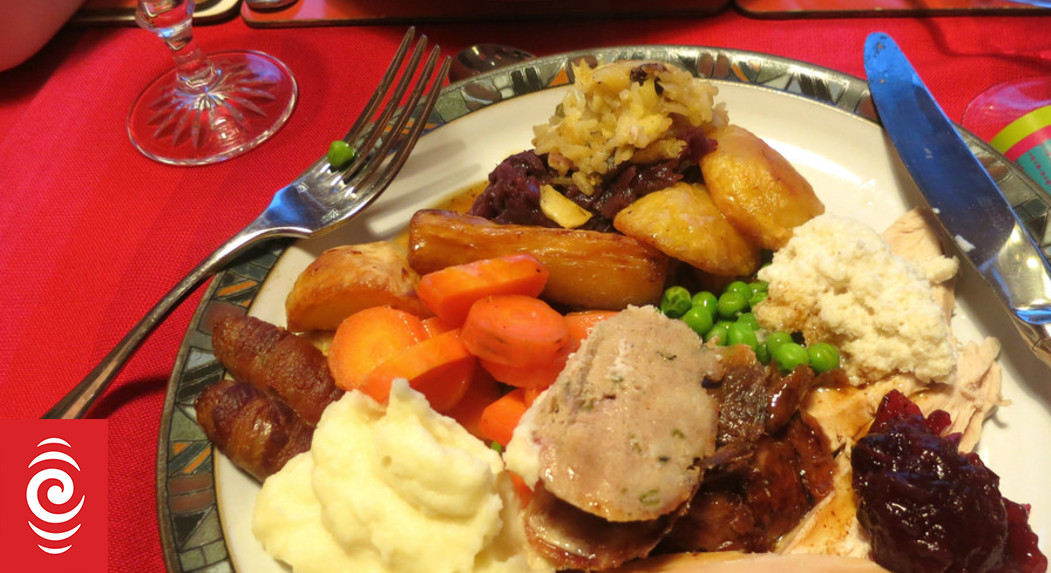
- Turkey: In North America, the turkey has become a staple of Christmas dinner, often served with stuffing, mashed potatoes, and cranberry sauce.
- Mince Pies: These sweet pastries, filled with chopped dried fruit and spices, are a traditional Christmas treat in the United Kingdom.
- Trifle: A layered dessert consisting of cake, fruit, custard, and whipped cream, trifle is a popular Christmas dessert in many countries.
Regional Traditions
Christmas dinner traditions vary widely across different regions and cultures. Some examples include:
- German Christmas Dinner: In Germany, Christmas dinner often features roasted pork or duck, accompanied by potato dumplings, red cabbage, and apple sauce.
- Italian Christmas Dinner: In Italy, the Feast of the Seven Fishes is a traditional Christmas dinner, featuring seven different seafood dishes.
- Spanish Christmas Dinner: In Spain, Christmas dinner often features roasted turkey or lamb, accompanied by sautéed vegetables and a sauce made from almonds and lemon.
Modern Christmas Dinner Trends
While traditional Christmas dinner dishes remain popular, modern trends and culinary innovations have led to a wider range of options and creative interpretations. Some popular modern Christmas dinner ideas include:
- Vegetarian and Vegan Options: Many people now choose vegetarian or vegan Christmas dinner options, featuring plant-based alternatives to traditional dishes.
- Fusion Cuisine: Christmas dinner now often incorporates elements of international cuisine, such as Korean, Indian, or Middle Eastern flavors.
- Local and Seasonal Ingredients: A growing focus on sustainability and locally sourced ingredients has led to a greater emphasis on using seasonal produce in Christmas dinner recipes.
Conclusion
The Christmas dinner has a rich history, dating back to ancient times and evolving over the centuries to reflect changing cultural, social, and economic influences. From simple roasted meats and stews to elaborate feasts and exotic dishes, the Christmas dinner has become an integral part of the holiday season, reflecting the values of kindness, generosity, and togetherness. Whether you prefer traditional or modern options, the Christmas dinner remains a cherished tradition that brings people together around the table.
Final Tips
If you’re planning a Christmas dinner this year, consider these final tips:
- Involve the Family: Get the whole family involved in cooking and preparing the Christmas dinner, making it a fun and memorable experience.
- Choose Seasonal Ingredients: Opt for locally sourced and seasonal produce to create a truly unique and delicious Christmas dinner.
- Experiment and Innovate: Don’t be afraid to try new recipes and flavors, combining traditional and modern elements to create your own special Christmas dinner.
Remember, the true spirit of Christmas is about sharing love, kindness, and generosity with those around you. Whether you spend the day cooking, eating, or simply enjoying the company of loved ones, the Christmas dinner remains an essential part of the holiday season.
.png)

Closure
Thus, we hope this article has provided valuable insights into A Festive History of Christmas Dinner. We thank you for taking the time to read this article. See you in our next article!
Leave a Reply