Christmas Eve: A National Holiday Marking the Birth of Jesus Christ
Christmas Eve: A National Holiday Marking the Birth of Jesus Christ
Introduction
With great pleasure, we will explore the intriguing topic related to Christmas Eve: A National Holiday Marking the Birth of Jesus Christ. Let’s weave interesting information and offer fresh perspectives to the readers.
Table of Content
Christmas Eve: A National Holiday Marking the Birth of Jesus Christ

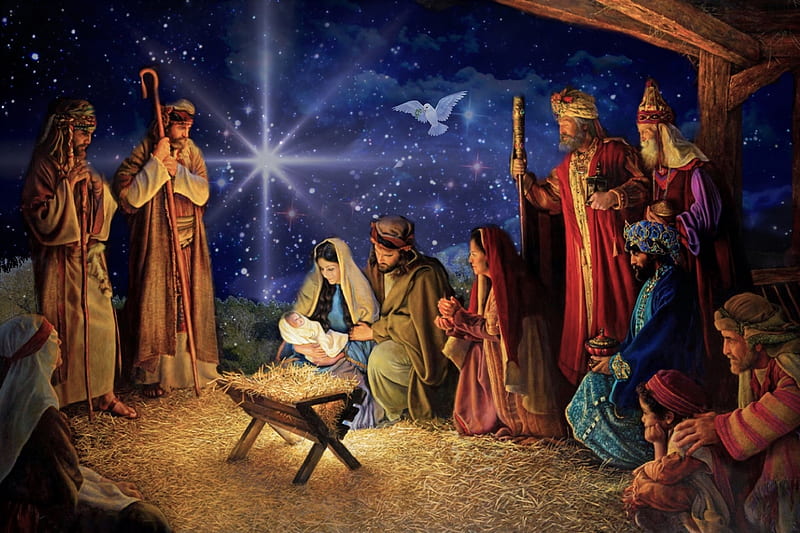
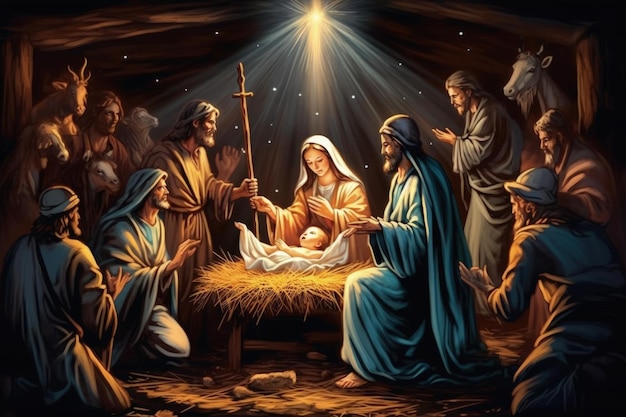
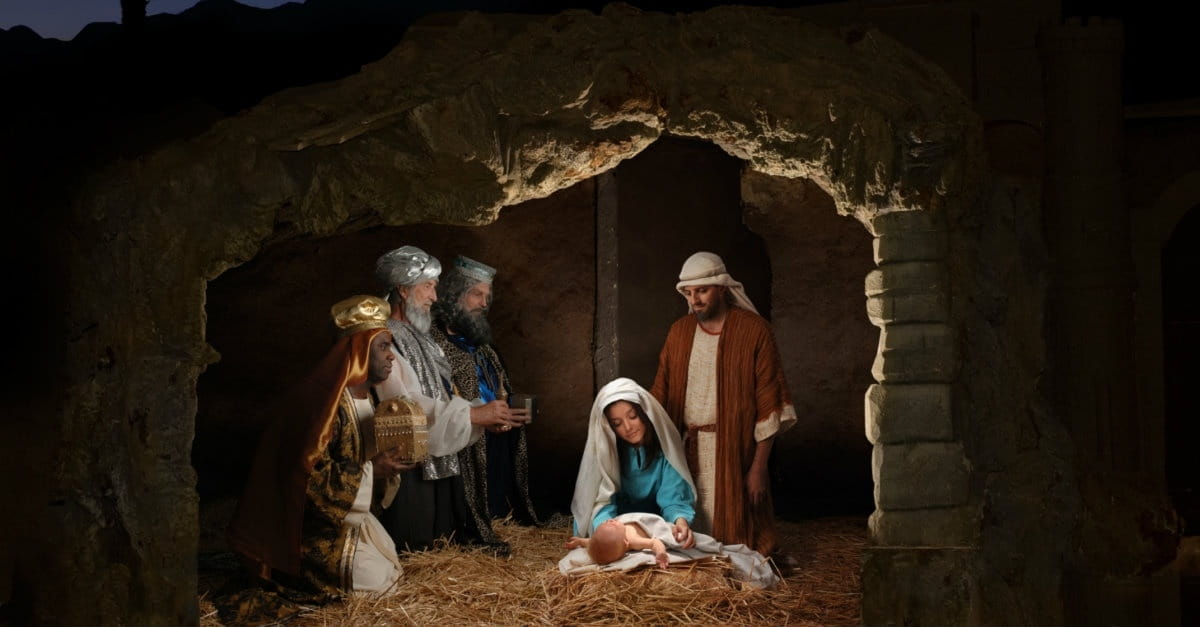
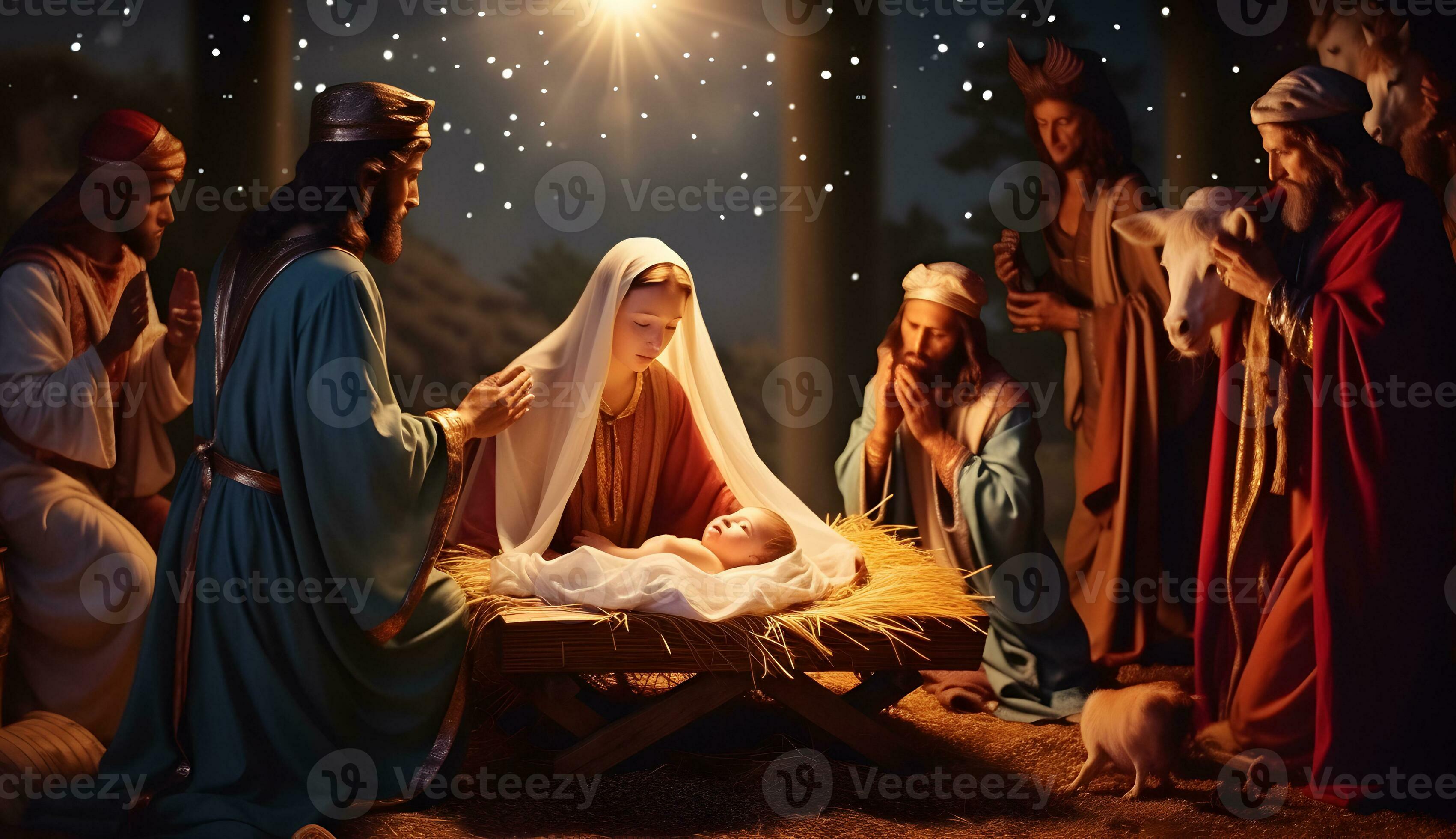
Christmas Eve, celebrated on the evening of December 24th, is one of the most significant holidays in the Christian calendar. It commemorates the birth of Jesus Christ and marks the beginning of the festive season, which culminates on Christmas Day, December 25th. Christmas Eve is a time for families, friends, and communities to come together, share in the spirit of giving, and celebrate the values of love, kindness, and generosity.
History of Christmas Eve
The history of Christmas Eve dates back to the early Christian traditions, where it was observed as a vigil celebration before the main day of Christmas. The exact date of Jesus’ birth is unknown, but it is believed to have occurred in the first century AD. The early Christians, including the apostle St. Paul, observed the Epiphany, which commemorates the visit of the Magi to the baby Jesus, on January 6th. However, in the 4th century, Pope Julius I moved the celebration to December 25th, likely to syncretize it with the existing Roman festival of Sol Invictus (Unconquered Sun), which celebrated the winter solstice.
Traditions and Customs
Christmas Eve is celebrated with various traditions and customs, which vary across cultures and countries. Some of the most popular ones include:
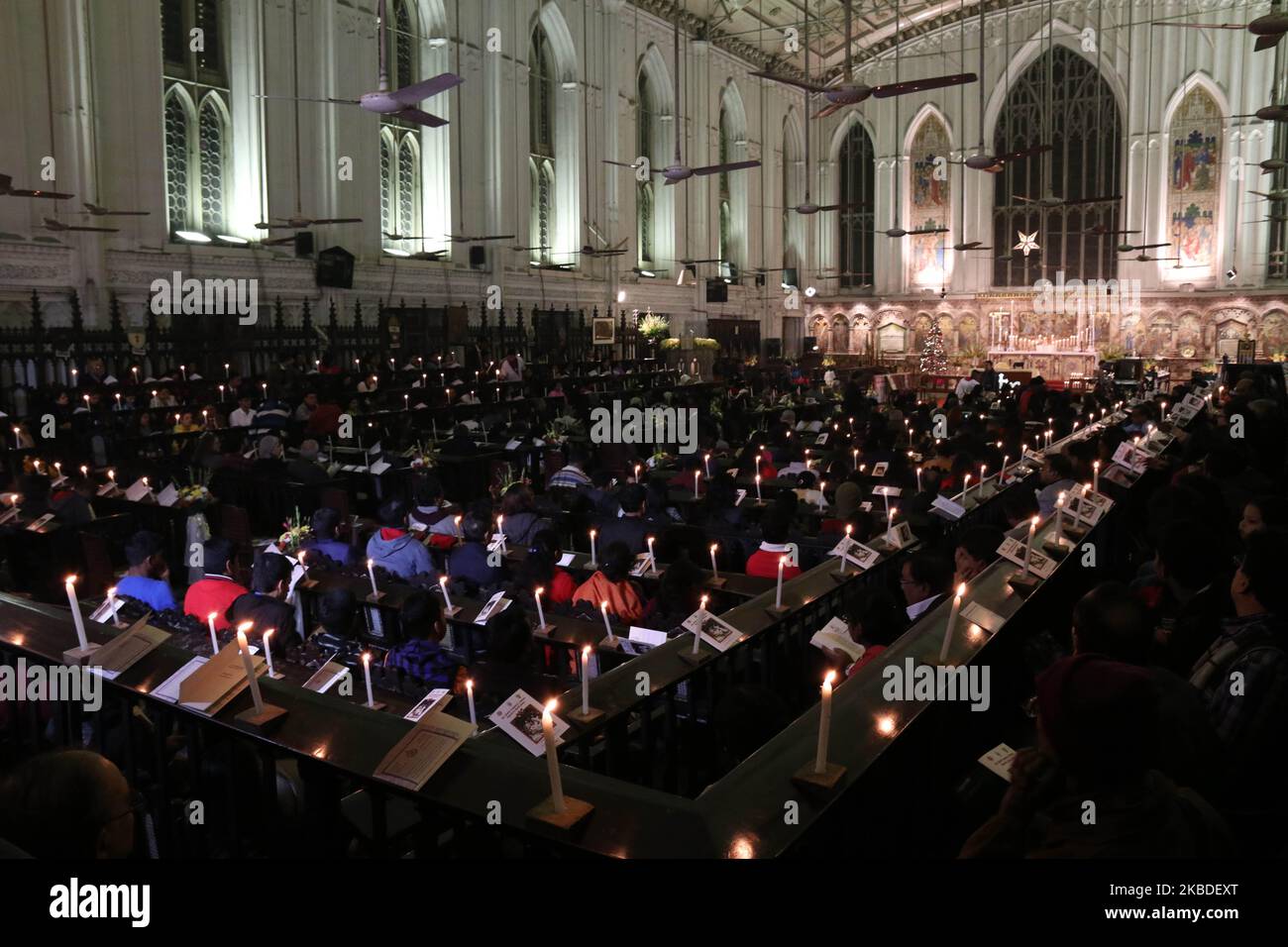
- Attending Midnight Mass: In many Christian countries, Christmas Eve is marked by a midnight mass service, which is a special vigil mass held at midnight. The mass is attended by families, friends, and the congregation, who gather to celebrate the birth of Jesus Christ.
- Decorating Homes and Churches: Homes and churches are decorated with festive lights, garlands, and decorations, including a Christmas tree, to create a warm and inviting atmosphere.
- Family Gatherings: Christmas Eve is a time for families to come together, share a special meal, and exchange gifts. It is a cherished tradition, which is passed down from generation to generation.
- Special Meals: A traditional Christmas Eve meal is often served, which may include special dishes, such as roasted goose, lamb, or pig. In some countries, families also exchange sweet breads, cookies, and other treats.
- Watching Special Christmas Films: Christmas Eve is a popular time to watch classic Christmas films, such as "It’s a Wonderful Life," "Miracle on 34th Street," and "A Christmas Story."
- Going on a Sleigh Ride: In some countries, families enjoy a horse-drawn sleigh ride through the snow-covered landscapes, which adds to the festive atmosphere.
- Singing Christmas Carols: Christmas Eve is a time for singing festive carols, which are an integral part of the holiday traditions. Families and friends sing carols, such as "Silent Night," "Jingle Bells," and "Rudolph the Red-Nosed Reindeer."
Christmas Eve Around the World
Christmas Eve is celebrated differently in various countries and cultures. Here are some unique traditions and customs associated with Christmas Eve in various parts of the world:
- Italy: In Italy, Christmas Eve is known as "La Vigilia," and it is a time for feasting with family and friends. A traditional meal is served, which may include seafood, such as baccala (dried cod) and eel.
- Spain and Mexico: In Spain and Mexico, Christmas Eve is known as "Nochebuena," and it is a time for a late-night feast, which typically includes a meal of roasted meats, such as lamb or chicken.
- Poland: In Poland, Christmas Eve is known as "Wigilia," and it is a time for a traditional meal, which may include carp, pierogi, and other festive dishes.
- Germany: In Germany, Christmas Eve is known as "Heiligabend," and it is a time for attending midnight mass and enjoying a traditional meal, which may include roasted goose or meatloaf.
- Sweden: In Sweden, Christmas Eve is known as "Julafton," and it is a time for exchanging gifts, enjoying a traditional meal, and indulging in festive treats, such as gingerbread and pepparkakor (gingerbread cookies).
Impact on the Economy
Christmas Eve is a significant contributing factor to the economy, with many businesses reporting increased sales and revenue during the holiday season. The holiday season, which typically spans from Thanksgiving to Christmas Eve, accounts for a significant portion of annual sales for many retailers.
Environmental Impact
The celebration of Christmas Eve and Christmas Day also has a significant environmental impact, with many consumers reporting increased consumption of energy and resources. According to the Environmental Protection Agency (EPA), the holiday season accounts for a significant portion of annual greenhouse gas emissions, with many households generating additional waste and pollution.
Conclusion
Christmas Eve is a national holiday, which marks the beginning of the festive season and commemorates the birth of Jesus Christ. Despite its origins in Christian tradition, Christmas Eve is celebrated with diverse customs and traditions across cultures and countries. As the holiday season approaches, it is essential to be mindful of the environmental and economic impacts of our celebrations and strive to reduce our carbon footprint and waste.
Key Date Facts
- December 24th (Christmas Eve) is celebrated by Christians worldwide to mark the birth of Jesus Christ.
- The exact date of Jesus’ birth is unknown, but it is believed to have occurred in the first century AD.
- Christmas Eve is a time for family gatherings, decorating homes and churches, attending Midnight Mass, and exchanging gifts.
- Christmas Eve is a significant cultural and economic phenomenon, with many businesses reporting increased sales and revenue during the holiday season.
- The celebration of Christmas Eve has a significant environmental impact, with many households generating additional waste and pollution.
Recommendations for Reducing Waste and Pollution
- Reduce your energy consumption by turning off lights and electronics when not in use.
- Choose eco-friendly gifts and decorations, such as reusable shopping bags and hand-me-down decorations.
- Plan your holiday meals and gatherings to reduce food waste and excess packaging.
- Use public transportation or carpool to reduce carbon emissions.
- Donate gently used items to charity or repurpose them as gifts.
Conclusion
Christmas Eve is a time for joy, love, and togetherness. As we celebrate this special holiday, let us remember the true spirit of Christmas, which values kindness, generosity, and compassion. By being mindful of our environmental and economic impacts, we can ensure a sustainable and enjoyable holiday season for generations to come.

Closure
Thus, we hope this article has provided valuable insights into Christmas Eve: A National Holiday Marking the Birth of Jesus Christ. We hope you find this article informative and beneficial. See you in our next article!
Leave a Reply