Polar Bear Christmas: A Magical Experience in the Arctic
Polar Bear Christmas: A Magical Experience in the Arctic
Introduction
With great pleasure, we will explore the intriguing topic related to Polar Bear Christmas: A Magical Experience in the Arctic. Let’s weave interesting information and offer fresh perspectives to the readers.
Table of Content
Polar Bear Christmas: A Magical Experience in the Arctic

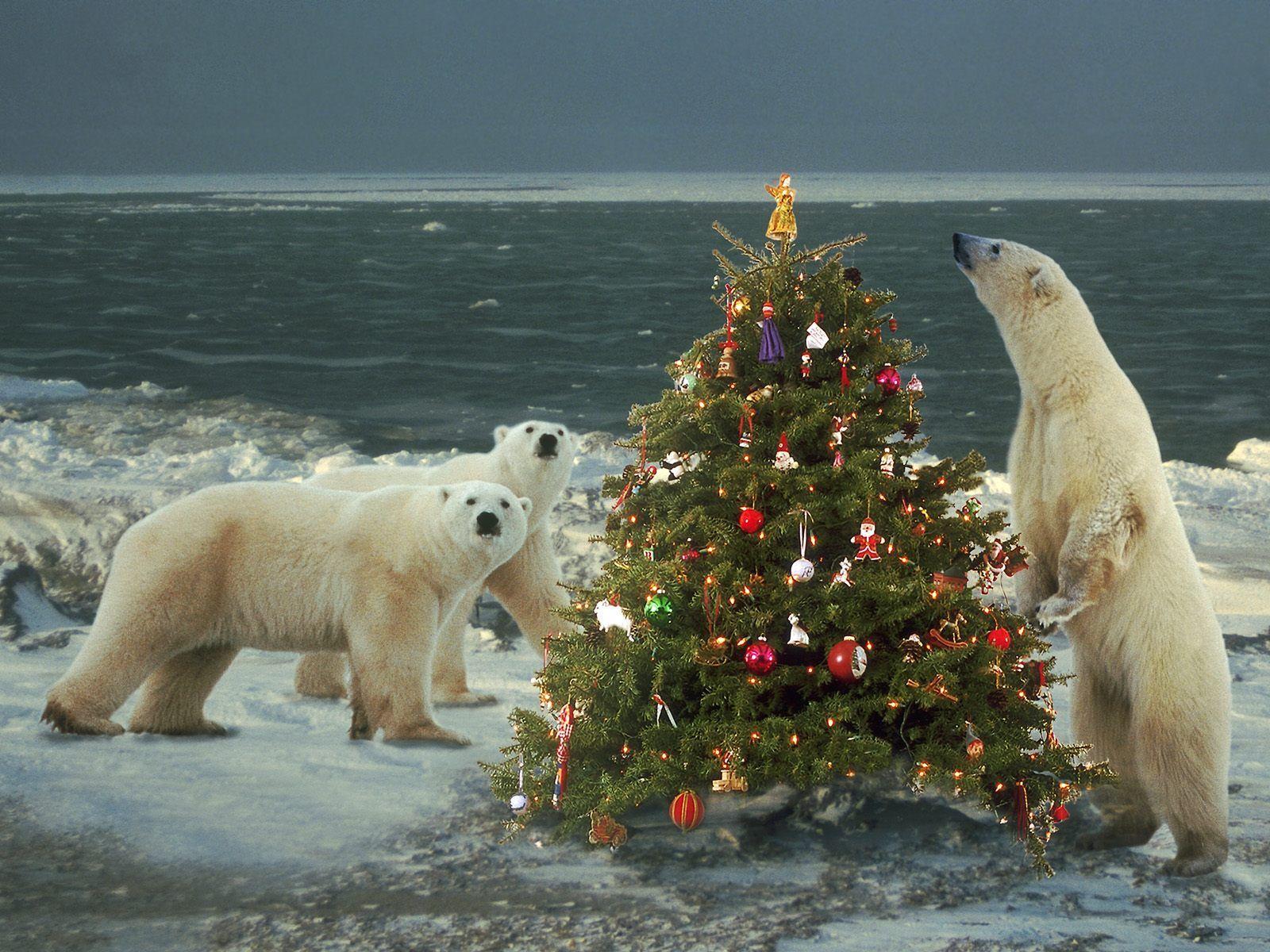
The festive season is often associated with warm firesides, snow-covered rooftops, and the sound of jingling bells. However, few people consider the magical world of polar bears during Christmas. These magnificent creatures inhabit the harsh yet breathtakingly beautiful Arctic landscape, where the Northern Lights dance across the sky and the air is crisp with the scent of snow.
In this article, we will delve into the enchanting world of polar bears during Christmas, exploring their habitats, traditions, and the impact of human activity on their populations. We will also examine the unique experiences offered by polar bear Christmas expeditions, allowing travelers to witness the majesty of these animals in their natural habitat.
Polar Bear Habitat and Migration Patterns
Polar bears are found in the Arctic Circle, where they inhabit sea ice and tundras. During the summer months, they congregate on land, where they can be seen roaming the shores and hunting for prey. As winter approaches, the bears begin their migration to the sea ice, where they spend the majority of their time.
During the Christmas season, the polar bears are usually found in the Arctic regions of Canada, Alaska, Greenland, Norway, and Russia. The most popular destinations for polar bear sightings include Churchill, Manitoba, Canada, and Svalbard, Norway.
Polar Bear Christmas Traditions (Or Lack Thereof)
While polar bears do not celebrate Christmas in the same way as humans, their behavior during the winter months is unique and fascinating. As the days shorten, and the sun remains below the horizon, the polar bears adapt to the harsh environment by changing their hunting patterns.
In the lead-up to Christmas, polar bears are often seen hunting in groups, working together to catch their prey. This cooperative behavior is essential for their survival, as the availability of food is scarce during the winter months.
Unlike humans, polar bears do not have a traditional Christmas dinner. Instead, they feast on ringed seals, their primary source of nutrition. The bears have evolved to eat almost nothing but fat and protein, which allows them to conserve energy and stay warm in the freezing temperatures.
Impact of Human Activity on Polar Bears
Unfortunately, human activity has had a significant impact on polar bear populations in recent years. Climate change has led to the melting of sea ice, reducing the bears’ habitat and making it increasingly difficult for them to find food.
Additionally, the noise pollution from shipping and seismic surveys has been linked to altered polar bear behavior, while the waste generated by human settlements contributes to the bears’ exposure to pollutants.
As we approach Christmas, it is essential to consider the impact of our actions on the polar bear population. By reducing our carbon footprint, supporting sustainable tourism, and advocating for environmental protection, we can help ensure the long-term survival of these majestic creatures.
Polar Bear Christmas Expeditions
For those interested in witnessing the majesty of polar bears in their natural habitat, several expedition companies offer Christmas-themed tours to the Arctic. These tours usually take place in small groups and are led by experienced guides and naturalists.
During a polar bear Christmas expedition, travelers can expect to see these magnificent creatures up close, either from a safe distance or from a specially designed viewing platform. The tours often include additional activities, such as dog sledding, snowshoeing, and Northern Lights sightings.
One of the most popular polar bear Christmas expeditions is the "Polar Bear Christmas" tour offered by Natural Habitat Adventures. This 8-day tour takes travelers to Churchill, Manitoba, where they can witness polar bears in their natural habitat.
Responsible Tourism and Polar Bear Conservation
When planning a polar bear Christmas expedition, it is essential to choose a responsible tour operator that follows best practices in sustainable tourism. This includes:
- Supporting local communities and promoting environmental conservation.
- Respecting the polar bears’ habitat and minimizing human impact.
- Encouraging travelers to adopt environmentally-friendly practices.
Additionally, travelers can support polar bear conservation by:
- Donating to reputable organizations, such as the World Wildlife Fund (WWF) and the Polar Bear Conservation Association.
- Spreading awareness about the impacts of climate change on polar bear populations.
- Advocating for policy changes that promote environmental protection and reduction of greenhouse gas emissions.
Polar Bear Christmas Experience: What to Expect
A polar bear Christmas expedition is an unforgettable experience that allows travelers to witness the majesty of these creatures in their natural habitat. During the tour, travelers can expect to:
- Witness polar bears hunting and feeding in the wild.
- Observe the bears’ social behavior and interactions.
- Take part in additional activities, such as dog sledding and snowshoeing.
- Enjoy the breathtaking scenery of the Arctic landscape.
Moreover, travelers can expect to learn about the biology and ecology of polar bears from experienced guides and naturalists.
Safety Precautions
When participating in a polar bear Christmas expedition, safety is of paramount importance. Travelers can expect to follow strict guidelines and protocols to ensure their safety and the well-being of the polar bears.
This includes:
- Maintaining a safe distance from the polar bears at all times.
- Following instructions from guides and naturalists.
- Respecting the bears’ habitat and minimizing human impact.
Conclusion
A polar bear Christmas expedition is a once-in-a-lifetime experience that allows travelers to witness the majesty of these creatures in their natural habitat. By supporting responsible tourism and polar bear conservation, we can help ensure the long-term survival of these magnificent animals.
As we celebrate the holiday season, let us not forget the impact of our actions on the polar bear population. By reducing our carbon footprint, supporting sustainable tourism, and advocating for environmental protection, we can help create a brighter future for these incredible creatures.
Best Time to Visit
The best time to visit the Arctic for a polar bear Christmas expedition is during the winter months (December to March), when the sea ice is at its most stable.
Weather Conditions
Travelers can expect extreme cold temperatures, ranging from -20°C to -30°C (-4°F to -22°F), during a polar bear Christmas expedition. The weather conditions can be harsh, with frequent blizzards and windstorms.
Accommodations
Accommodations for polar bear Christmas expeditions vary depending on the tour operator and destination. Travelers can expect to stay in comfortable lodges or onboard a specially designed ship.
Getting There
Travelers can reach the Arctic destinations by air or sea. The nearest airport is usually in a larger town or city, from which a charter plane or shuttle takes them to the expedition’s starting point.
Physical Condition
Travelers should be in good physical condition to participate in a polar bear Christmas expedition. The tour often involves walking on uneven terrain, and participants should be prepared for extreme cold temperatures.
Photography Tips
When participating in a polar bear Christmas expedition, it is essential to bring a camera with a good lens and image stabilization. Travelers can expect to capture stunning images of the polar bears and Arctic landscapes.
Final Thoughts
A polar bear Christmas expedition is a unique and unforgettable experience that allows travelers to witness the majesty of these creatures in their natural habitat. By supporting responsible tourism and polar bear conservation, we can help ensure the long-term survival of these magnificent animals.
As we approach the holiday season, let us cherish the wonders of the natural world and strive to protect these incredible creatures for future generations.



Closure
Thus, we hope this article has provided valuable insights into Polar Bear Christmas: A Magical Experience in the Arctic. We hope you find this article informative and beneficial. See you in our next article!
Leave a Reply