The 12 Days of Christmas: A Journey Through Music, History, and Tradition
The 12 Days of Christmas: A Journey Through Music, History, and Tradition
Introduction
With great pleasure, we will explore the intriguing topic related to The 12 Days of Christmas: A Journey Through Music, History, and Tradition. Let’s weave interesting information and offer fresh perspectives to the readers.
Table of Content
The 12 Days of Christmas: A Journey Through Music, History, and Tradition

The 12 Days of Christmas, a festive and joyous occasion, is a holiday tradition that spans centuries and has become an integral part of Christmas celebrations around the world. This festive period, which begins on Christmas Day and ends on January 6th, is steeped in history, music, and cultural significance. In this article, we will explore the origins of the 12 Days of Christmas, its musical heritage, and the traditions and customs associated with this special time of the year.
A Brief History of the 12 Days of Christmas
The concept of the 12 Days of Christmas dates back to the early Christian era, when Christmas was celebrated as part of the Epiphany festival. The word Epiphany, derived from the Greek word "epiphanos," meaning "appearance" or "manifestation," refers to the visit of the Magi, also known as the Three Wise Men, to the baby Jesus. According to Christian tradition, the Magi arrived in Bethlehem 12 days after Jesus’ birth, bearing gifts of gold, frankincense, and myrrh.
Over time, the 12 Days of Christmas became a period of feasting, singing, and merriment, celebrated by Christians around the world. The tradition was popularized in the United Kingdom, where it was observed as a special time of enjoyment and indulgence, marked by the exchange of gifts, music, and dances.
The Music of the 12 Days of Christmas
One of the most iconic and enduring aspects of the 12 Days of Christmas is its associated music. The carol, with its familiar lyrics and catchy melody, has become synonymous with the festive season. The song’s history is shrouded in mystery, but it is believed to have originated in the 16th century, with the first recorded version dating back to 1780.
The carol’s melody is thought to have been inspired by a traditional English folk song, while the lyrics appear to be a symbolic representation of the Christian faith. The song’s structure, which consists of 12 verses, is said to represent the 12 apostles of Jesus Christ. Each verse, in turn, is believed to contain a hidden meaning, relevant to the Christian faith.
The Meaning Behind Each Verse
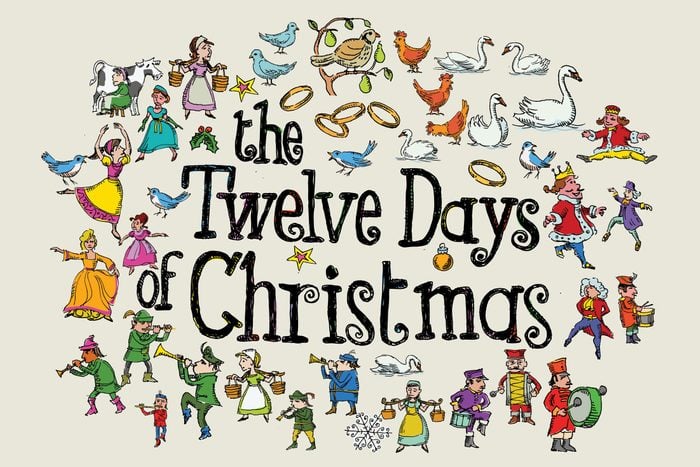
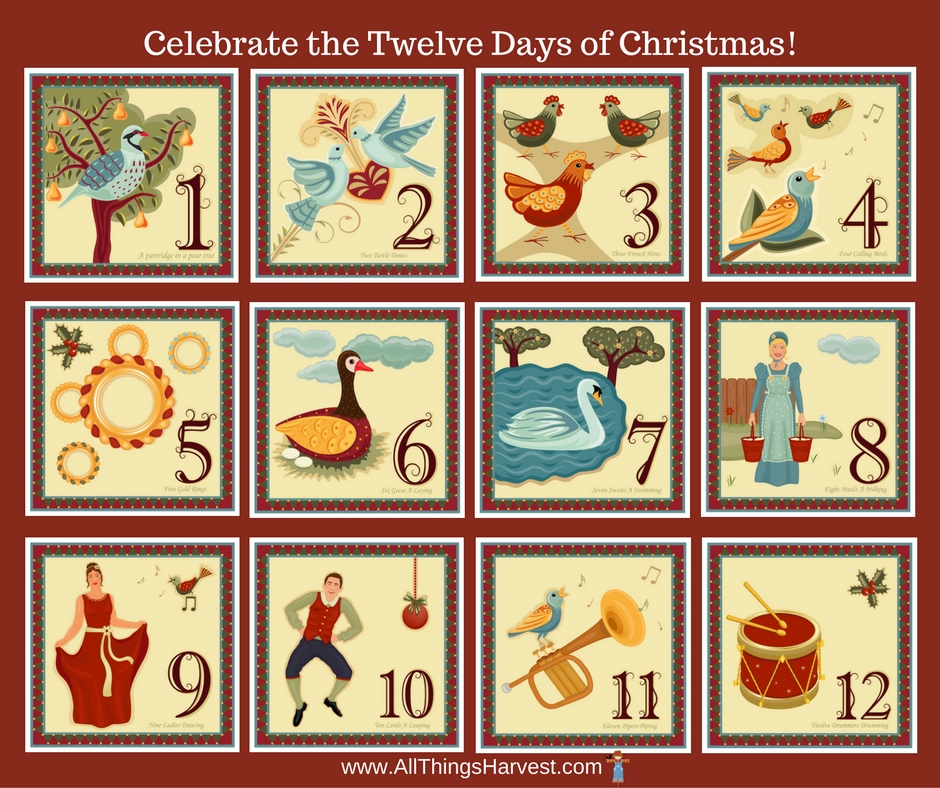
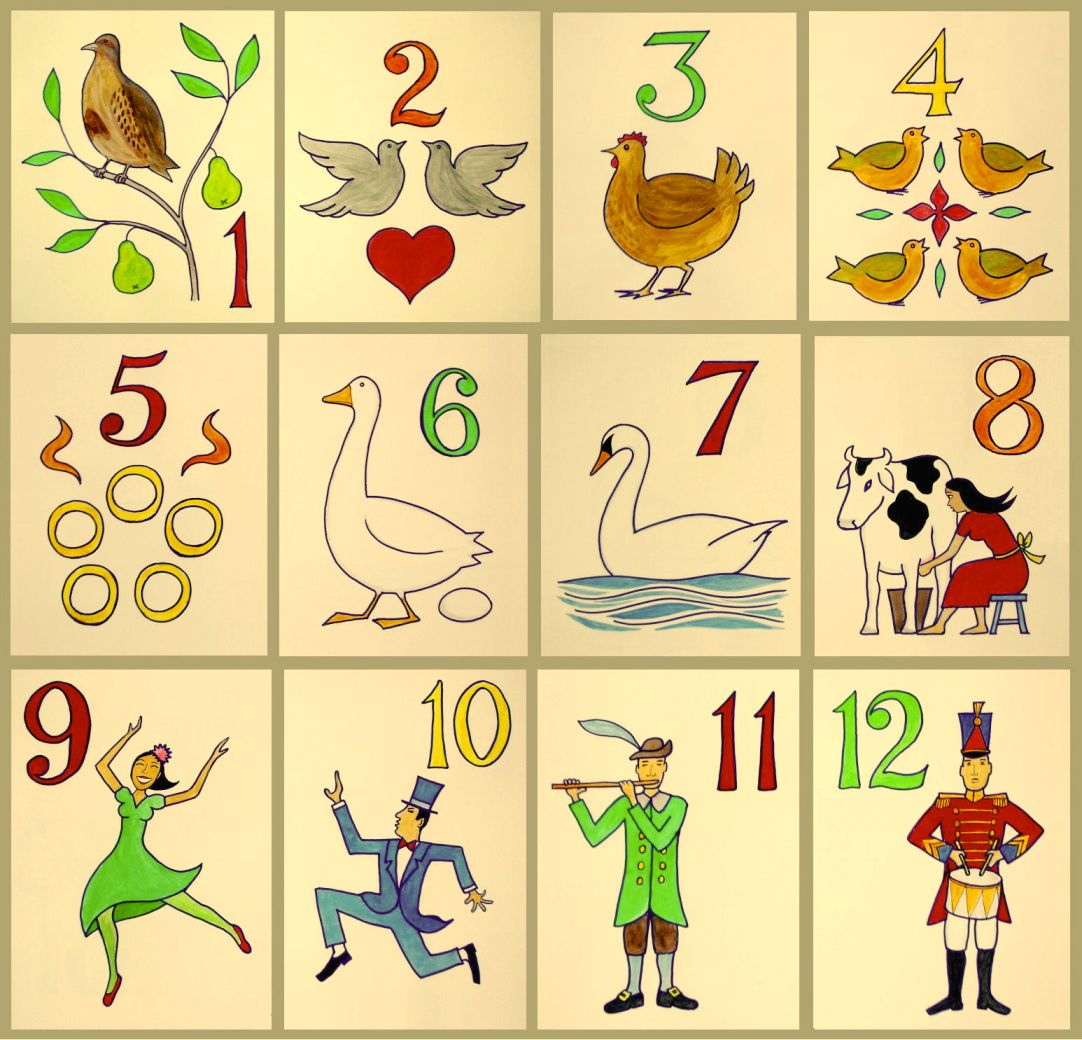
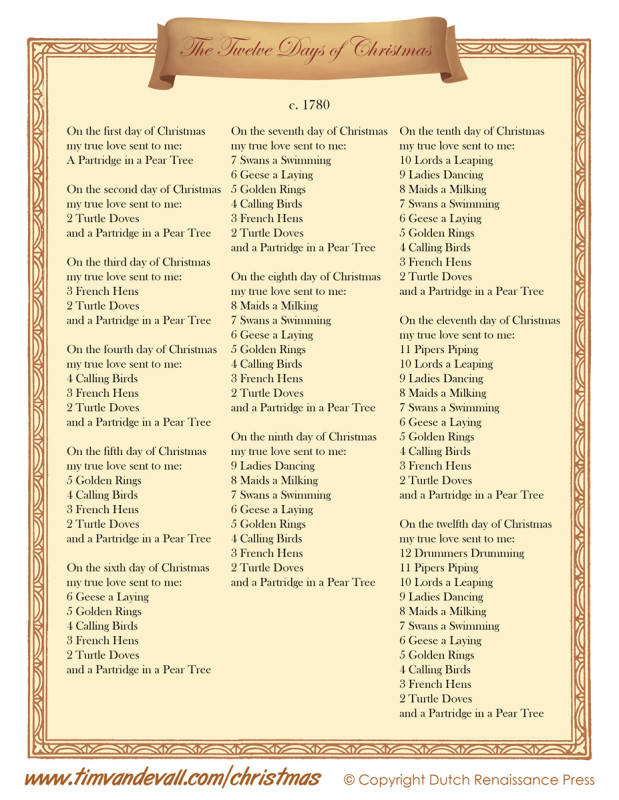
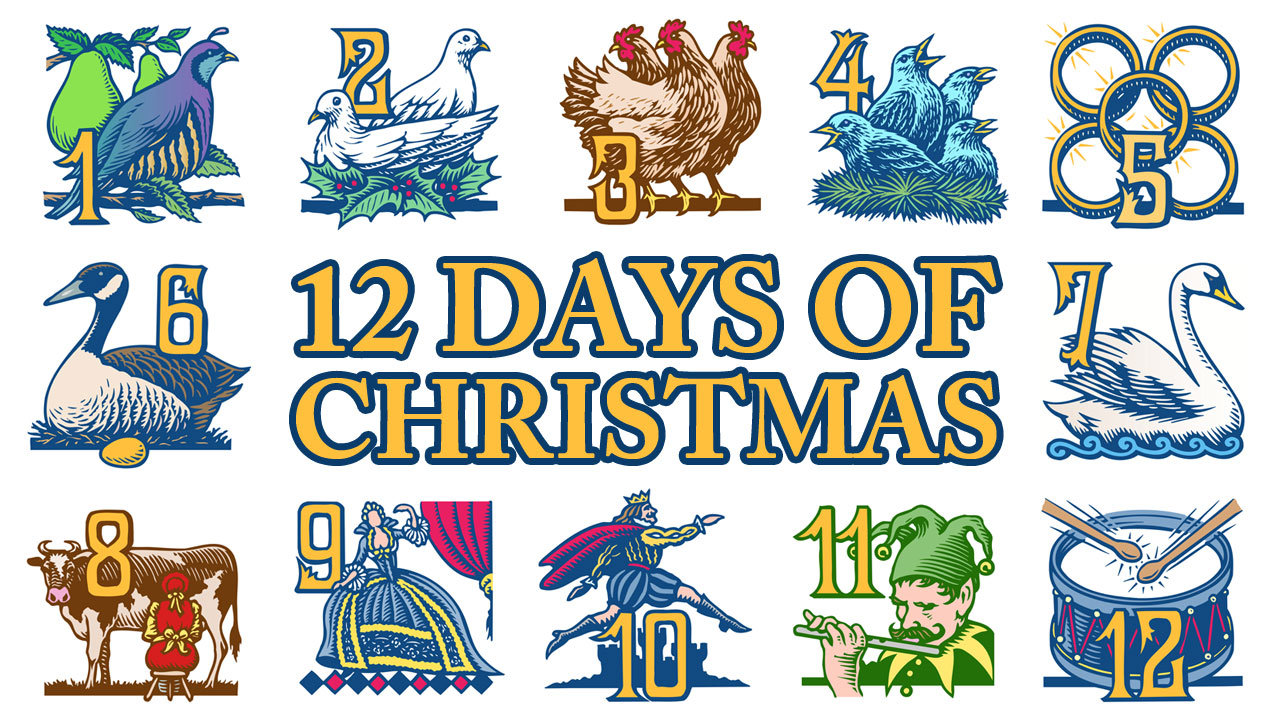
While the lyrics of the 12 Days of Christmas carol may seem nonsensical at first glance, they contain a wealth of symbolism and meaning. Here’s a breakdown of the traditional lyrics and their associated meanings:
- A Partridge in a Pear Tree: The partridge is said to represent the Incarnation of Jesus Christ, while the pear tree symbolizes the Tree of Life.
- Two Turtle Doves: The turtle doves are believed to represent the Old and New Testaments of the Bible.
- Three French Hens: The French hens are thought to represent the Three Wise Men, who brought gifts to Jesus.
- Four Calling Birds: The four calling birds are said to represent the four Gospels of the New Testament.
- Five Golden Rings: The five golden rings are believed to represent the five wounds of Jesus Christ.
- Six Geese a-Laying: The six geese a-laying are thought to represent the six days of creation.
- Seven Swans a-Swimming: The seven swans a-swimming are believed to represent the seven gifts of the Holy Spirit.
- Eight Maids a-Milking: The eight maids a-milking are said to represent the eight Beatitudes of the Sermon on the Mount.
- Nine Ladies Dancing: The nine ladies dancing are thought to represent the nine fruits of the Holy Spirit.
- Ten Lords a-Leaping: The ten lords a-leaping are believed to represent the Ten Commandments.
- Eleven Pipeers Piping: The eleven pipers piping are said to represent the eleven faithful apostles who remained loyal to Jesus during his trial.
- Twelve Drummers Drummig: The twelve drummers drumming are thought to represent the 12 apostles of Jesus Christ.
Traditions and Customs of the 12 Days of Christmas
The 12 Days of Christmas is a time of celebration and feasting, observed by people around the world. Here are some of the traditions and customs associated with this festive period:
- Christmas Lights: The 12 Days of Christmas is a time of twinkling lights, adorned on houses, trees, and streets. This festive tradition is a symbol of the light of the world, which represents Jesus Christ.
- Gift-Giving: The 12 Days of Christmas is a time for gift-giving, which is believed to have originated from the Magi’s gift of gold, frankincense, and myrrh to Jesus. Gifts are exchanged with family and friends to commemorate the occasion.
- Music and Dance: The 12 Days of Christmas is a time for music and dance, which is believed to have originated from the folk traditions of the British Isles. The carol, with its catchy melody and familiar lyrics, is an integral part of the festive season.
- Feasting and Food: The 12 Days of Christmas is a time for feasting and food, which is a representation of the abundance and joy of the season. Traditional foods, such as fruitcake, mince pies, and Christmas pudding, are consumed during this time.
- Family Gatherings: The 12 Days of Christmas is a time for family gatherings, which is a representation of the importance of family and loved ones.
Conclusion
The 12 Days of Christmas is a festive and joyous occasion, steeped in history, music, and cultural significance. This special time of the year is a celebration of the birth of Jesus Christ, marked by gift-giving, music, and feasting. The carol, with its familiar lyrics and catchy melody, is an integral part of the festive season, while the traditions and customs associated with this time of year are a representation of the abundance and joy of the season. Whether you’re celebrating the 12 Days of Christmas with family and friends or observing it privately, this festive period is a time of love, kindness, and generosity.

Closure
Thus, we hope this article has provided valuable insights into The 12 Days of Christmas: A Journey Through Music, History, and Tradition. We thank you for taking the time to read this article. See you in our next article!
Leave a Reply