The Art of Jack Skellington: A Masterpiece from the World of Halloween Town
The Art of Jack Skellington: A Masterpiece from the World of Halloween Town
Introduction
With great pleasure, we will explore the intriguing topic related to The Art of Jack Skellington: A Masterpiece from the World of Halloween Town. Let’s weave interesting information and offer fresh perspectives to the readers.
Table of Content
The Art of Jack Skellington: A Masterpiece from the World of Halloween Town
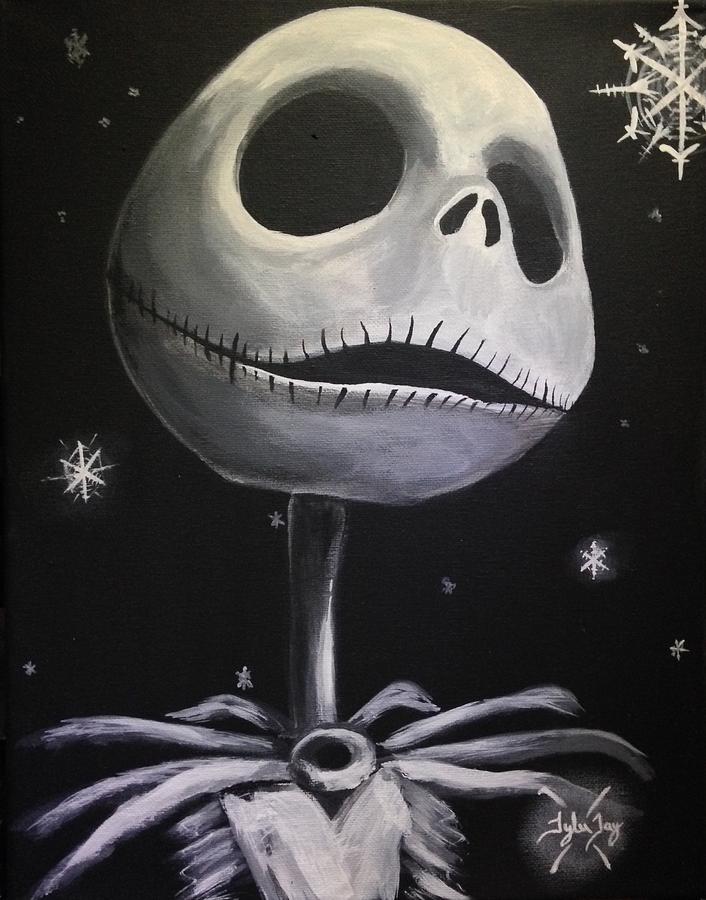
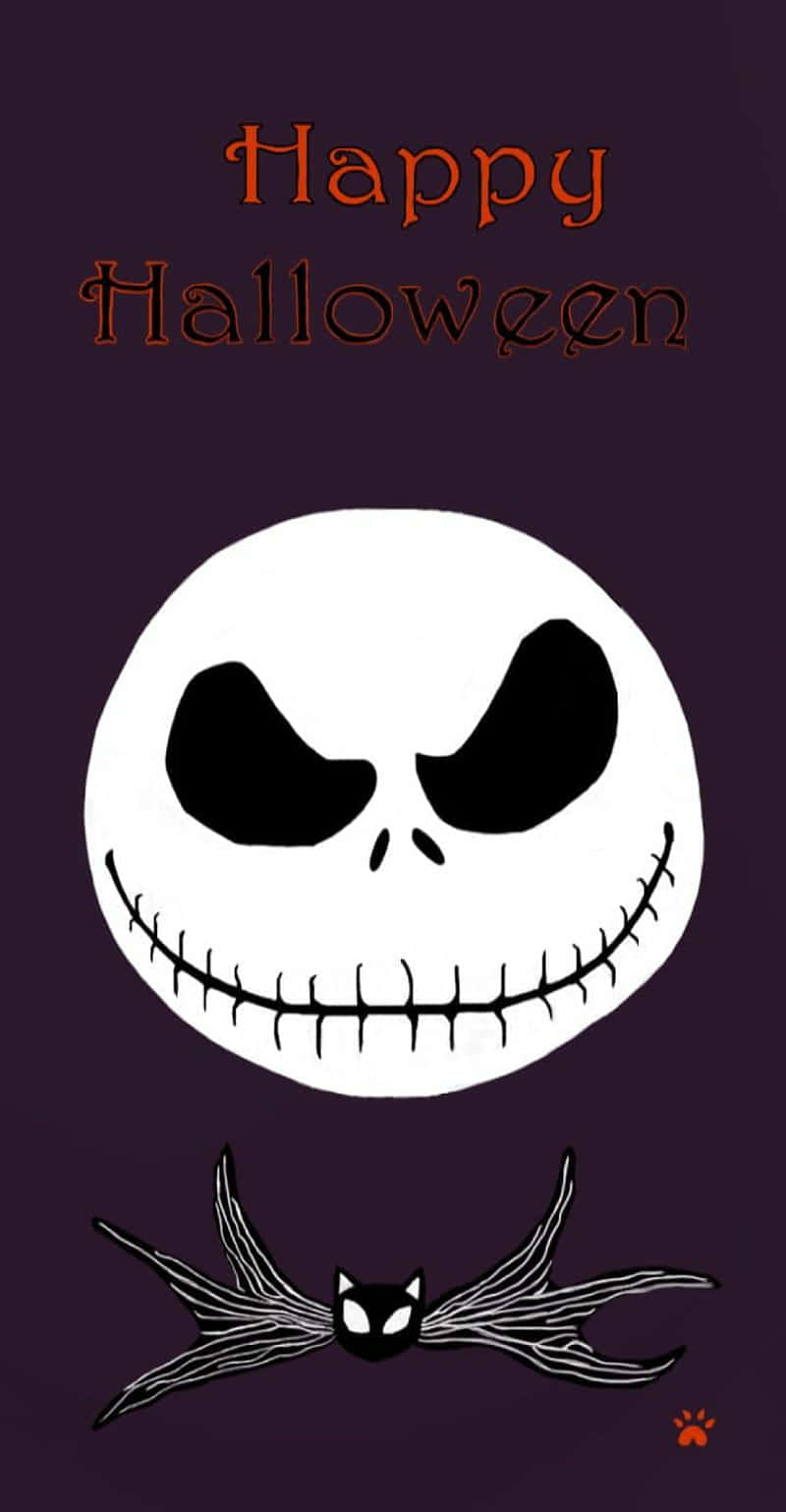
The Nightmare Before Christmas, a stop-motion animated film directed by Henry Selick and produced by Tim Burton, has become a cult classic over the years. Released in 1993, the movie has captured the hearts of audiences with its unique blend of Halloween and Christmas themes. At the center of this eerie and whimsical world is Jack Skellington, a skeletal character with a heart of gold. In this article, we will delve into the creation of Jack Skellington, exploring the artwork and design decisions that brought this beloved character to life.
The Concept of Jack Skellington
Jack Skellington, also known as the Pumpkin King, was created by Tim Burton, who wanted to combine Halloween and Christmas in a single story. Burton drew inspiration from his own fascination with holidays and the way they are celebrated. He was particularly interested in the way people transform their homes and decorations to match the holiday spirit.
During the initial development stages, Burton began to sketch out characters for the film. Jack’s design evolved from a simple illustration to a more complex and expressive character. Burton wanted Jack to be a charming and endearing figure, someone who embodied the spirit of Halloween.
Chris Wedge, a renowned animation artist and film director, was responsible for the early iterations of Jack’s design. Wedge’s concept sketches featured a more traditional Halloween character, with sharp teeth, long fingers, and a menacing gaze. However, Burton was not entirely satisfied with this design and wanted a more unique interpretation.
William Joyce’s Influence
Burton turned to William Joyce, a talented artist and illustrator, to refine Jack’s design. Joyce is best known for his work on films such as Curious George and Shrek, and his unique blend of whimsy and humor. Joyce’s design for Jack featured a more elongated face, with a subtle smile and an expressive set of eyes.
Joyce’s style and approach influenced the eventual look of Jack Skellington. The character’s facial structure, body proportions, and costume details all came together to create a charming and charismatic figure.
Designing Jack’s Headgear
One of Jack’s most distinctive features is his iconic headgear – a Gothic top hat with a large pumpkin perched upon it. This design element was inspired by traditional Halloween imagery and added to Jack’s air of sophistication and elegance.
The design of Jack’s headgear was a collaborative effort between Burton, Joyce, and the film’s production designer, Michael McDowell. McDowell wanted the headgear to resemble a traditional top hat but with a wicked twist, adding to Jack’s mischievous personality.
The pumpkin, a symbol of Halloween harvest and abundance, was added to the design to create a whimsical and memorable character element. The pumpkin, rendered in bright red, further emphasized Jack’s enthusiastic and cheerful personality.
Rendering Jack in Stop-Motion Animation
The stop-motion animation technique, developed by Emile Cohl in the 1890s, allowed filmmakers to manipulate and re-shoot individual frames of a film. The Nightmare Before Christmas benefited from a unique animation process, as each frame was painstakingly handcrafted and posed by puppeteers.
For Jack’s animation, production designer Michael McDowell created a 14-inch tall puppet out of clay. The puppet featured intricate details like ears, a collar, and a small sock-and-zipper design on his pants.
The physical puppet was then replicated and posed by puppeteers, each frame capturing the subtlest of expressions and movements. Tony Gazzola, a seasoned stop-motion artist, was responsible for animating many of Jack’s scenes.
Keyframe Animation and Key Art
Select puppeteers would capture specific poses or ‘keyframes’ of Jack’s body and limbs, often shooting single frames with each puppeteer focusing on a unique element of the character’s appearance. Puppeteers often played the role of the animator and were skilled at changing the puppet into new poses as needed.
One of the most poignant examples of Jack’s keyframe animation was in the ‘Oh, Christmas’ song, where Jack imagines a world where Christmas is celebrated. In this iconic scene, Jack’s animation team was tasked with transitioning from a worried Jack to an ecstatic one as he explores the new holiday.
Painting a Living, Breathing Character
In addition to the stop-motion animation, Tim Burton added another vital layer to Jack’s character – the art of painting. Each frame was painted with watercolor to provide the illusion of breathing or living skin, while the colors themselves popped from all aspects of the film – turning into an idiosyncrasy that viewers can highly appreciate.
Not just stopping at Jack, Tim’s love for the Halloween theme translated into hundreds of watercolor paintings each character has. As many movie sequels have claimed through various Hollywood hits, paint helped add the lighted backdrop needed for these life-like, yet dark, characters.
Painters and Colorists
One such talented painter who added to the character of Jack is Marc Lorber. Growing up, Lorber was attracted to painting and later became interested in character painting found in classic Disney and Disney-inspired animation art.
From where things went from there seems like a dream; for these skilled artists, it looked as if the whole set might come to life – proving why it might seem an unforgettable holiday movie – blending in at the same moment that so many found love within.
In the end, Jack Skellington’s captivating look is due to the combined efforts of many artists, all of whom skillfully pieced together to form one endearing skeletal face, which draws a thousand faces of wonder and enjoyment to many people around the globe.
A Lasting Legacy
The Nightmare Before Christmas is a timeless classic that has captured the imagination of audiences worldwide. One major component to its lasting appeal is its charming and well-developed characters – none more so than Jack Skellington.
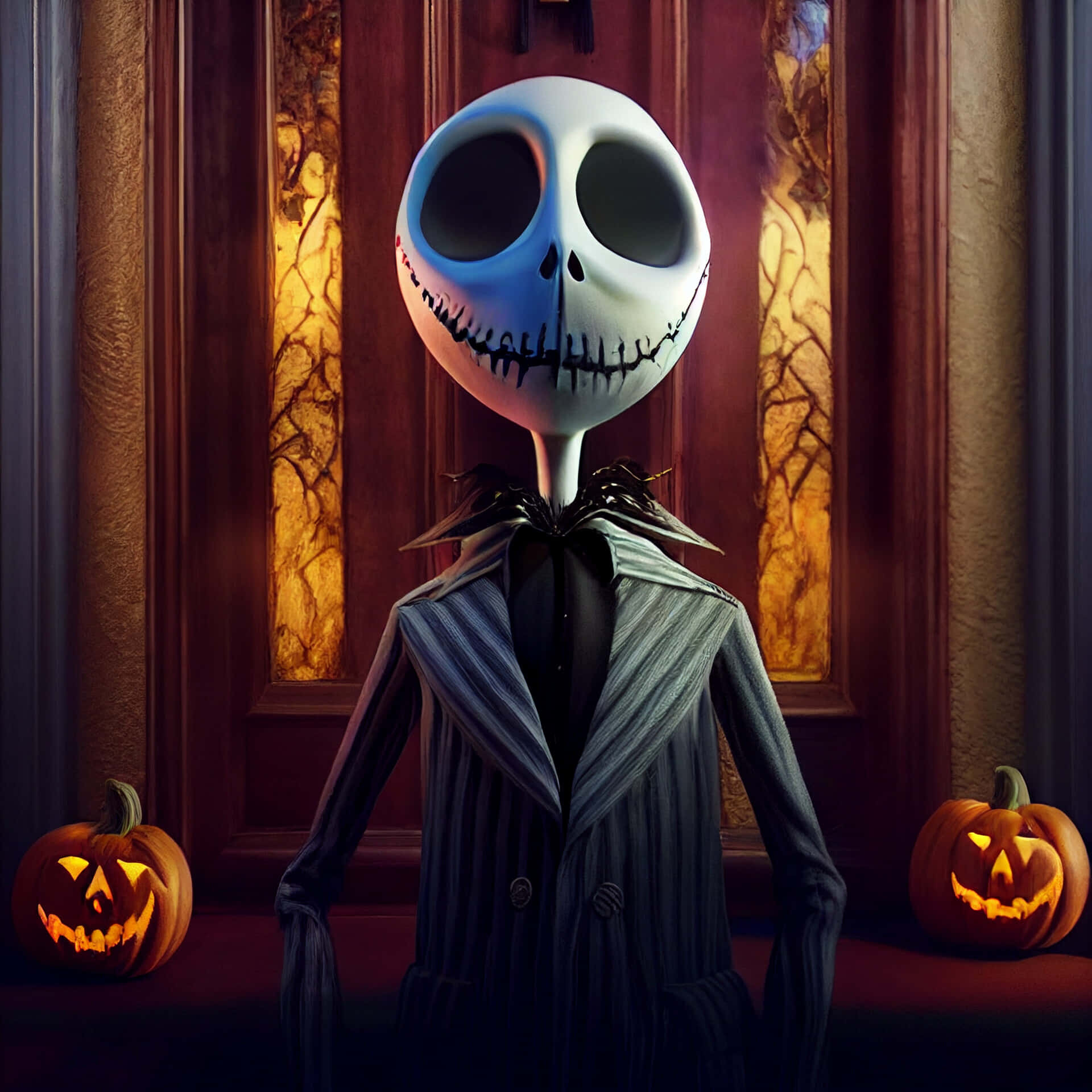
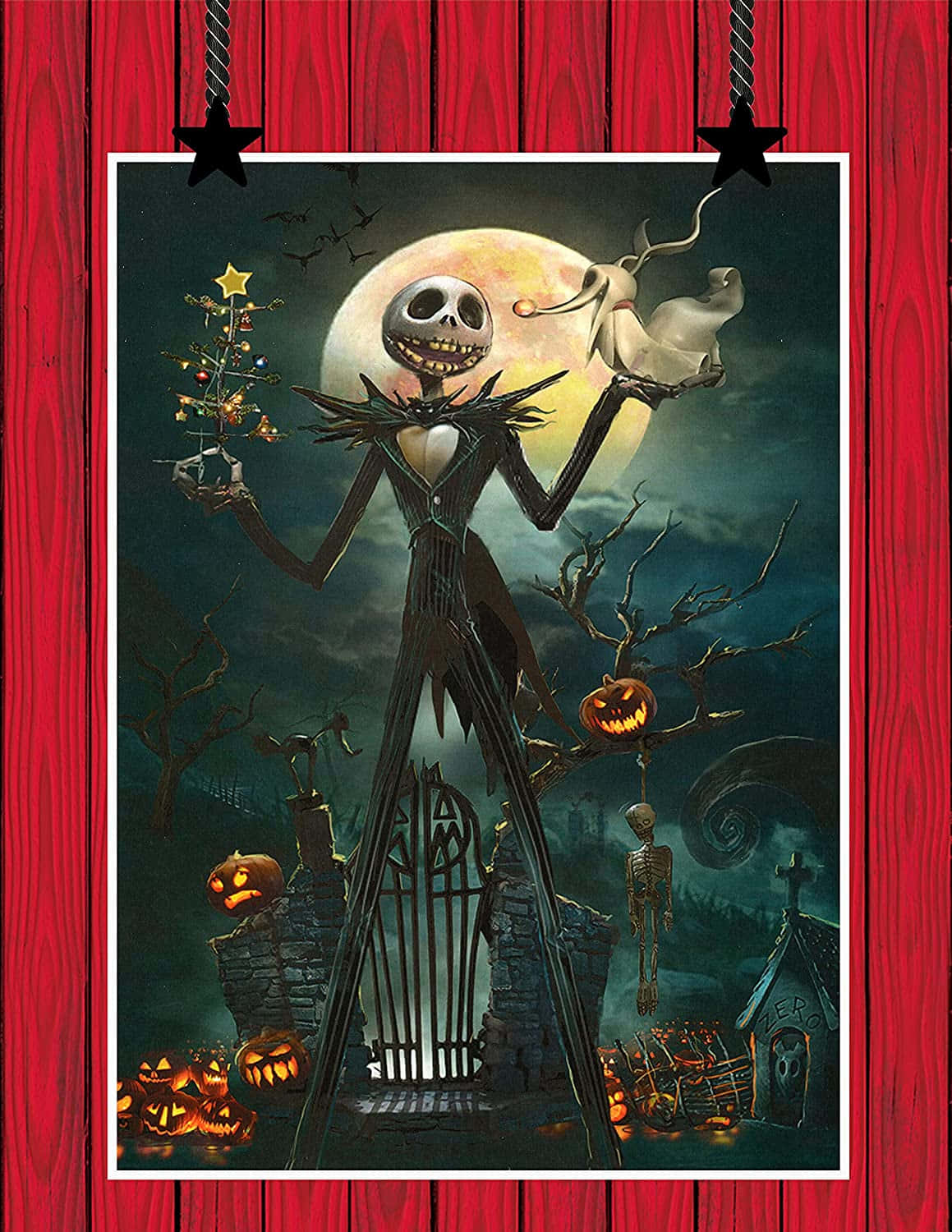
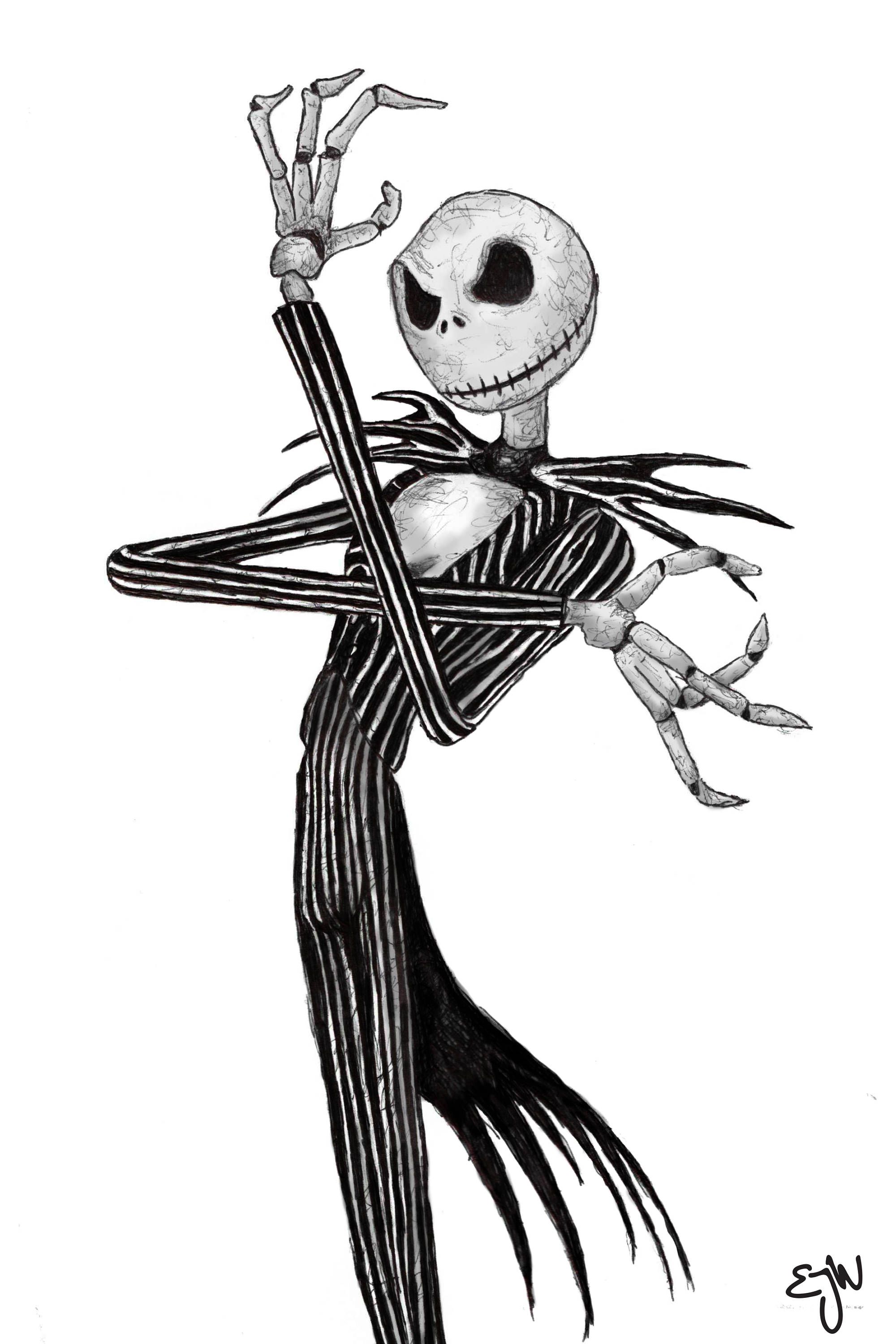
From initial concept to final animation, the creation of Jack has become an admired and revered process – as can be seen through many past artistic illustrations showcasing evolution in a skeleton’s posture. His expressive, endearing design, set against a backdrop of Halloween-town themes, helps portray Jack’s friendly side.
Jack’s influence extends far beyond The Nightmare Before Christmas – influencing animation, art, and even costume design. Many have also been inspired to explore the world of stop-motion animation, with films such as ParaSite and Coraline relying heavily on this captivating technique.
The Legacy Continues
Every ‘fancy’, fantasy image which was a major theme while learning animation from Jack’s illustration expresses simple & iconic movement. It is clearly there, bringing a much-loved skeleton to present in this fantasy universe with magical lighting displays – on every end.




Closure
Thus, we hope this article has provided valuable insights into The Art of Jack Skellington: A Masterpiece from the World of Halloween Town. We thank you for taking the time to read this article. See you in our next article!
Leave a Reply