The Magic of the 12 Days of Christmas: Unveiling the History and Meaning
The Magic of the 12 Days of Christmas: Unveiling the History and Meaning
Introduction
With great pleasure, we will explore the intriguing topic related to The Magic of the 12 Days of Christmas: Unveiling the History and Meaning. Let’s weave interesting information and offer fresh perspectives to the readers.
Table of Content
The Magic of the 12 Days of Christmas: Unveiling the History and Meaning

The holiday season is a time of joy, giving, and celebration, but there’s more to it than just the festive atmosphere and festive decorations. For many Christians around the world, the 12 Days of Christmas hold a special significance, a time of devotion, feasting, and merriment that stretches from December 25th to January 6th, the Epiphany.
What are the 12 Days of Christmas?
The 12 Days of Christmas begin on December 25th, the day when Christians celebrate the birth of Jesus Christ. The period encompasses three main Christian holidays: Christmas Day (December 25th), St. Stephen’s Day (December 26th), and the Feast of the Holy Innocents (December 28th). The remaining nine days of the 12 Days of Christmas lead up to the Epiphany, a celebration of the manifestation of Jesus to the magi, or the Three Wise Men, who arrived in Bethlehem bearing gifts for the newborn king.
History of the 12 Days of Christmas
The tradition of the 12 Days of Christmas dates back to pre-Christian times when many cultures in Europe celebrated the winter solstice, the longest night of the year. During this time, festivals and rituals were held to mark the return of the sun and the coming of longer days. When Christianity spread across Europe, the existing festivals were incorporated into the new faith, leading to a blending of pagan and Christian traditions.
The 12 Days of Christmas, in particular, have their roots in the Middle Ages. In the 4th century, the early Christian church celebrated the Epiphany as a major feast day, marking the revelation of Jesus to the world. Over time, the period between Christmas Day and the Epiphany became a time of celebration, marked by feasting, gift-giving, and merriment.
Traditions of the 12 Days of Christmas
During the 12 Days of Christmas, many Christian families and communities continue to observe various traditions that date back to the early days of Christianity. Some of these customs include:
- Gift-giving: The tradition of exchanging gifts during the 12 Days of Christmas goes back to the Three Wise Men, who brought gifts of gold, frankincense, and myrrh to the newborn Jesus. In many countries, gifts are exchanged on the Epiphany, rather than Christmas Day.
- Feast days: Each day of the 12 Days of Christmas is dedicated to a different feast day or saint. Some of these days include St. Stephen’s Day (December 26th), the Feast of the Holy Innocents (December 28th), and the Feast of the Circumcision (January 1st).
- Special foods: Traditional Christmas foods, such as turkey, ham, and eggnog, are often served during the 12 Days of Christmas. In some countries, specific dishes are prepared on each of the 12 days, such as the Danish round cake known as "Kransekage" or the French dessert "Bûche de Noël".
- Music and song: Traditional Christmas carols and hymns are often sung during the 12 Days of Christmas, such as "The Holly and the Ivy" and "The Coventry Carol".
- Charitable activities: The 12 Days of Christmas are a time for charity and giving, particularly to those in need. In some countries, it’s common to visit friends and family, share food and drinks, and offer assistance to those who are less fortunate.
The Significance of the 12 Days of Christmas
Beyond the festive atmosphere and cultural traditions, the 12 Days of Christmas hold a deep significance for Christians, as they represent the full cycle of Christ’s life. The period begins on Christmas Day, which commemorates Jesus’ birth, followed by a series of feast days that celebrate His manifestation, burial, and resurrection.
St. Stephen’s Day (December 26th)
On December 26th, Christians celebrate the life and martyrdom of Saint Stephen, the first Christian deacon and the first martyr of Christ. According to Christian tradition, Stephen was stoned to death in Jerusalem and became a symbol of courage and sacrifice.
The Feast of the Holy Innocents (December 28th)
On December 28th, the Christian world honors the Holy Innocents, the children who were massacred by King Herod in an attempt to eliminate the newborn Jesus. The feast is a poignant reminder of the cost of faith and the brutal nature of the world.
The Feast of the Circumcision (January 1st)
On January 1st, Christians celebrate the "Feast of the Circumcision," which marks the day when Jesus was eight days old and was circumcised, as required by Jewish law.
The Epiphany (January 6th)
On January 6th, Christians around the world celebrate the Epiphany, a feast dating back to the 4th century. According to Christian tradition, the Epiphany commemorates the visit of the Three Wise Men to Jesus, who arrived bearing gifts of gold, frankincense, and myrrh. The Epiphany marks the end of the 12 Days of Christmas and is a celebration of the manifestation of Jesus to the world.
Conclusion
The 12 Days of Christmas are a time of great joy, celebration, and remembrance. Beyond the festivities and cultural traditions, the period offers a deeper reflection on the life and teachings of Jesus Christ. From the feast days to the charitable activities, the traditions of the 12 Days of Christmas offer a rich tapestry of meaning and significance, one that continues to captivate hearts and inspire spirits around the world.
Whether through the exchange of gifts, the preparation of special foods, or the singing of traditional carols, the 12 Days of Christmas invite us to step into a world of wonder, a world where the spirit of love, kindness, and generosity reigns supreme.
As we embark on this sacred journey, we are reminded that the true meaning of the 12 Days of Christmas lies not just in the celebrations and traditions but in the stories and memories that we create with loved ones. The 12 Days of Christmas are a time for us to reflect on the depth of our faith, our relationships with others, and our commitment to serve and care for those in need.
In the end, the 12 Days of Christmas stand as a shining example of the values that we cherish most: love, kindness, generosity, and compassion. As we journey through the days leading up to Epiphany, may we be filled with the spirit of the season and may our hearts be enlarged by the love of God that shines brightly in the midst of the holiday chaos.

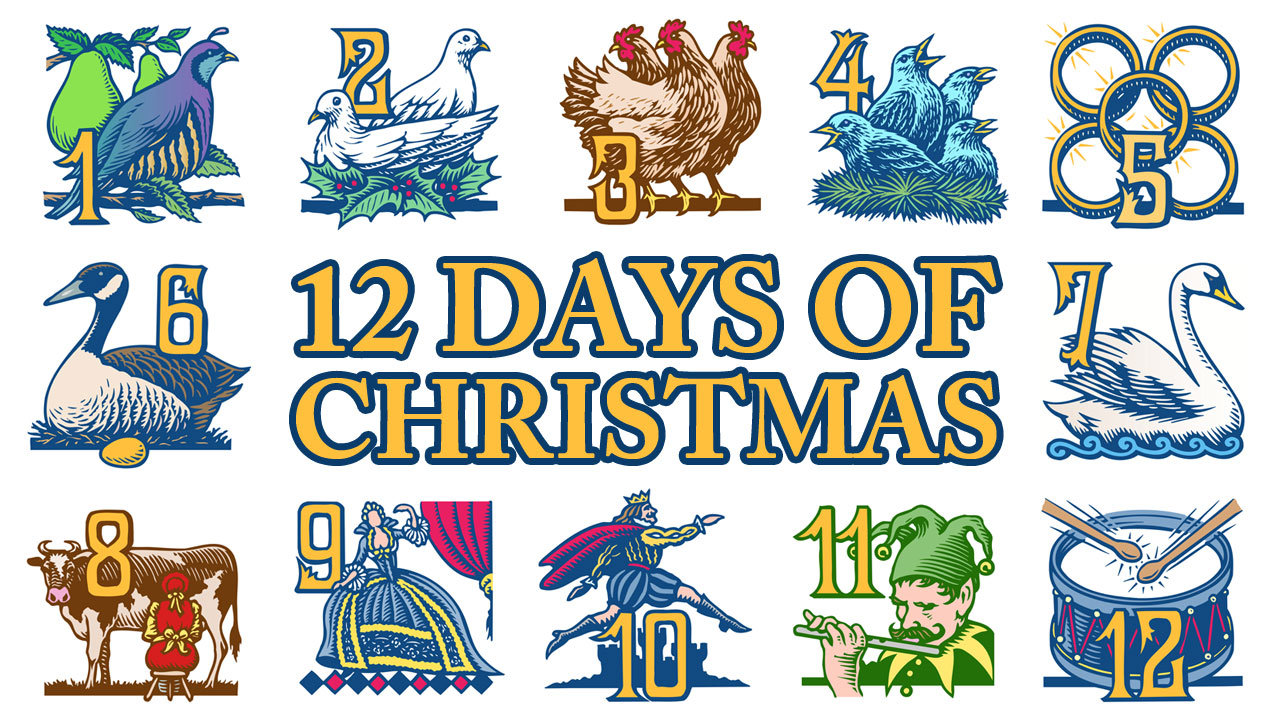
:no_upscale()/cdn.vox-cdn.com/uploads/chorus_image/image/62615710/12dayspyramid.0.0.0.0.png)

Closure
Thus, we hope this article has provided valuable insights into The Magic of the 12 Days of Christmas: Unveiling the History and Meaning. We appreciate your attention to our article. See you in our next article!
Leave a Reply