The Magical Sounds of Christmas: A Guide to Christmas Carol Musical Songs
The Magical Sounds of Christmas: A Guide to Christmas Carol Musical Songs
Introduction
In this auspicious occasion, we are delighted to delve into the intriguing topic related to The Magical Sounds of Christmas: A Guide to Christmas Carol Musical Songs. Let’s weave interesting information and offer fresh perspectives to the readers.
Table of Content
The Magical Sounds of Christmas: A Guide to Christmas Carol Musical Songs
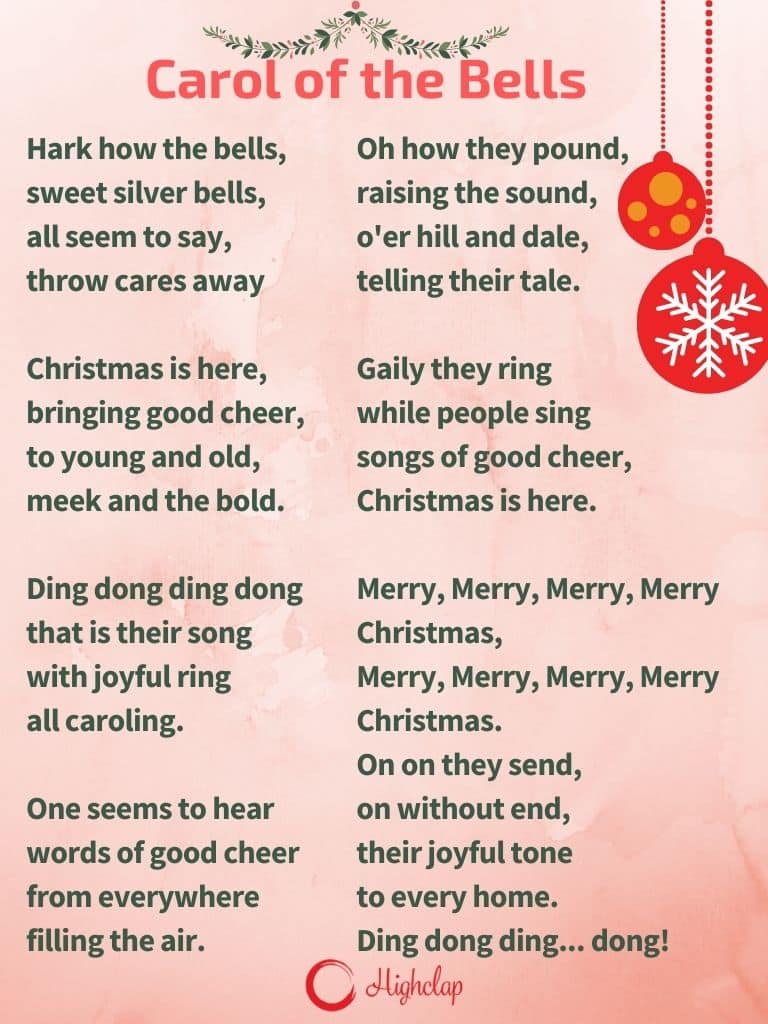
Christmas, a time of joy, love, and music, is celebrated by people all around the world. One of the most iconic aspects of Christmas is the tradition of singing carols, which has been a beloved holiday ritual for centuries. From classical hymns to modern pop songs, Christmas carols have become an integral part of our holiday celebrations.
In this article, we will take a journey through the world of Christmas carol musical songs, exploring their history, significance, and cultural impact. We will also highlight some of the most popular and enduring Christmas carols, as well as some lesser-known gems that are sure to delight.
A Brief History of Christmas Carols
The tradition of singing Christmas carols dates back to ancient times, with evidence of caroling found in European literature as far back as the 13th century. During the Middle Ages, Christmas carols were sung in Latin and consisted of simple melodies accompanied by handbells and other instruments.
As Christianity spread throughout Europe, Christmas carols became a vital part of the holiday tradition. In England, for example, Christmas carols were an important part of the festive season, with many churches and choirs singing complex and beautiful hymns.
Types of Christmas Carols
Over the centuries, Christmas carols have evolved to incorporate a wide range of styles and genres. Here are some of the main types of Christmas carols:
- Classical Carols: These are traditional carols that originated in Europe, often with solemn and elegant melodies.
- Contemporary Carols: These are more modern carols that reflect contemporary styles and themes.
- Traditional Carols: These are carols that have been passed down through generations, often with a strong sense of cultural and historical significance.
- Secular Carols: These are carols that celebrate the holiday season without referencing religion or spirituality.
- Folk Carols: These are carols that originated in rural areas or among specific cultural groups, often with a strong sense of folk tradition.
Popular Christmas Carols
Some of the most popular Christmas carols are:
- "Silent Night": This classic carol was composed in 1818 by Franz Xaver Gruber and Joseph Mohr. It is one of the most widely performed and translated carols in the world.
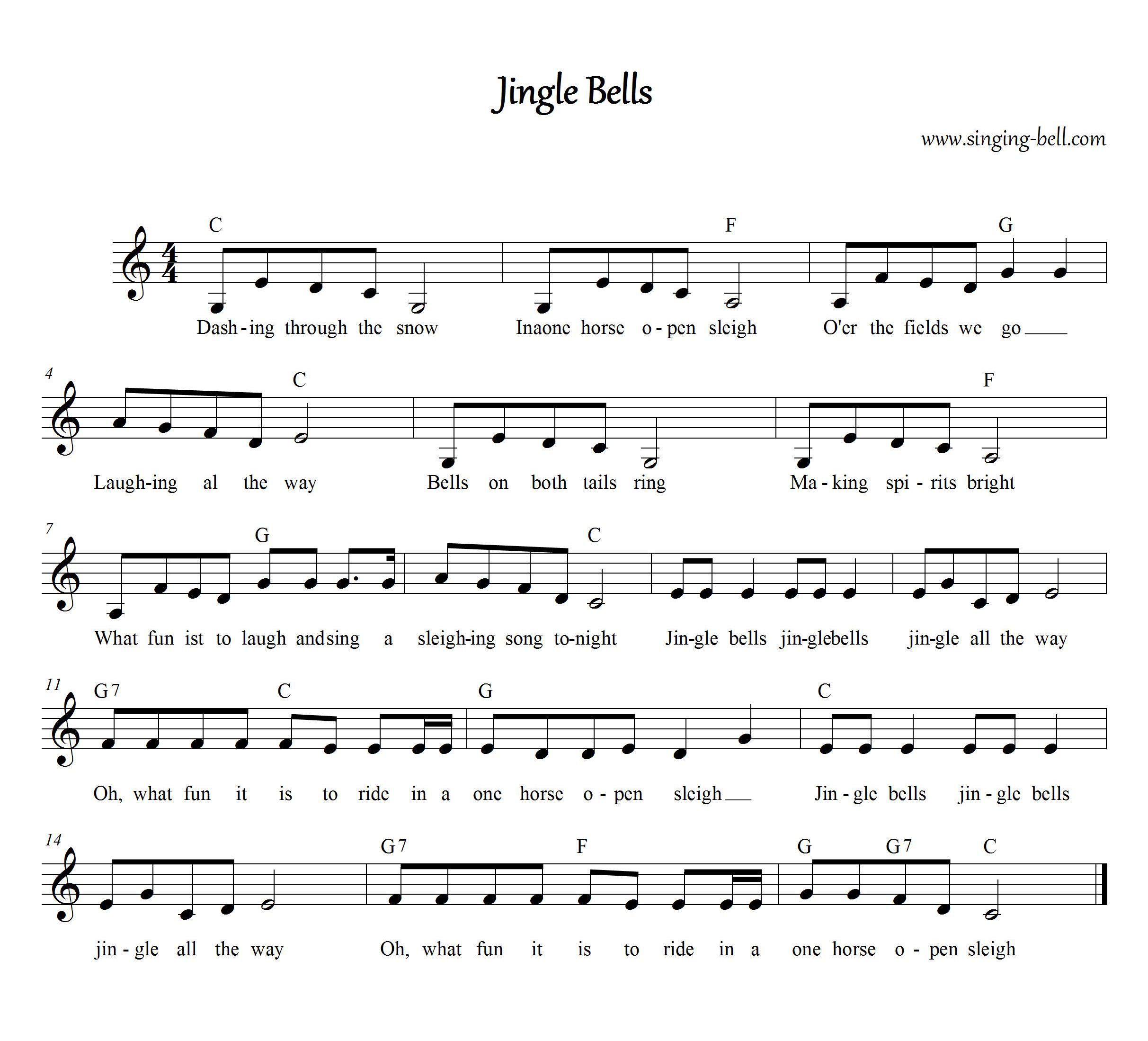
- "Jingle Bells": Written in 1857 by James Lord Pierpont, this carol is a fun and catchy tune that has become synonymous with the holiday season.
- "Deck the Halls": This traditional Welsh carol dates back to the 16th century and is still widely sung today.
- "Rudolph the Red-Nosed Reindeer": Written in 1949 by Johnny Marks, this carol has become a beloved holiday classic.
- "We Wish You a Merry Christmas": This traditional English carol is a staple of the holiday season, often sung as a finale to Christmas celebrations.
Modern Christmas Carols
While traditional carols will always be a part of the holiday season, modern carols have also become increasingly popular. Here are a few examples:
- "All I Want for Christmas Is You": This 1994 carol by Mariah Carey has become a modern classic, with its catchy melody and festive lyrics.
- "Last Christmas": Written by George Michael in 1984, this carol has become a holiday staple, with its synths-driven beat and heartfelt lyrics.
- "Mistletoe": This 2011 carol by Justin Bieber is a fun and catchy tune that has become a modern holiday favorite.
Christmas Carols Around the World
Christmas carols are not unique to Western cultures; in fact, many countries have their own unique holiday songs and traditions. Here are a few examples:
- "What Child is This" (Canada): This traditional Canadian carol is a beautiful melody that has been sung for centuries.
- "Joyeux Noel" (France): This traditional French carol is a beautiful and festive tune that celebrates the holiday season.
- "Ya Christmas" (Africa): This traditional African carol is a lively and spirited tune that has become a holiday favorite.
- "Noche de Paz" (Latin America): This traditional Latin American carol is a beautiful and festive melody that celebrates the holiday season.
Conclusion
Christmas carols have become an integral part of our holiday celebrations, bringing people together and spreading joy and cheer. Whether you prefer traditional carols or modern pop songs, there’s a Christmas carol out there for everyone. Whether you’re a classical music fan or a pop enthusiast, the beauty and magic of Christmas carols are sure to delight.
Common Examples of Christmas Carols
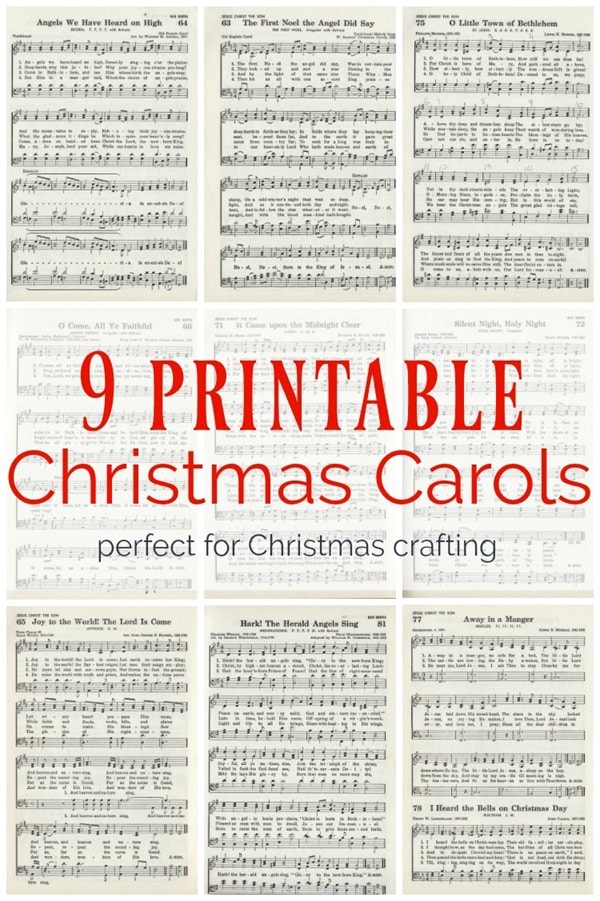
- "The First Noel" – The First Noel is a traditional carol, the lyrics of which celebrate the birth of Jesus. It has a diverse musical quality which allows it to appear in a variety of styles.
- "Angels We Have Heard on High" – This traditional English carol tells the story of the angels announcing the birth of Jesus to the shepherds. It has unique lyrics which vary from version to version.
- "Hark! The Herald Angels Sing" – This is a traditional English carol with a classical feel, of which the lyrics tell the angels singing to the shepherds about the birth of Jesus. It commonly appears as arrangements and transpositions in various musical settings.
- "O Come All Ye Faithful" – O Come, All Ye Faithful is a well-known German hymn composed by Franz Xaver Gruber. It has a beautiful melody that has been widely adopted in numerous styles and settings.
- "I’ll Be Home for Christmas" – This American song is written by Kim Gannon, Walter Kent, and Buck Ram, and is a popular Christmas Carol known for its beautiful and nostalgic melody.
Fun Facts and Hidden Gems
- "I Saw Three Ships" – "I Saw Three Ships" is an English Christmas carol from the 17th century and is the second oldest English Christmas carol known today. It tells the tale of Mary’s journey to Bethlehem.
- "In Dulci Jubilo" – This is a 16th-century German carol in Latin that focuses on the peace and happiness that the birth of Jesus may bring.
- "Veni Redemptor Gentium" – This ancient hymn for the Epiphany in Latin points to the importance of the Magi in the Christian faith tradition.
- "See Amid the Winter’s Snow" – This well-known English carol, composed by Henry Thomas Smart, reflects on the pain and sadness of Mary, Mary’s son, and the early burial of Jesus.
Holiday Traditions
As we approach the holiday season, there are several traditions we can enjoy and maintain both as individuals and communities:
- Singing carols – Singing carols is a way to connect people and their environments as they celebrate the beginning of the merry season. It’s perfect for remembering traditional songs and making memories with the people we love.
- Singing as a gathering – Singing carols is a group activity that helps us socialize and draw closer to our society.
- Taking singing practice – Learning new carols allows individuals to refine their skills as well as appreciate the beauty and power of music.



Closure
Thus, we hope this article has provided valuable insights into The Magical Sounds of Christmas: A Guide to Christmas Carol Musical Songs. We appreciate your attention to our article. See you in our next article!
Leave a Reply