The Retro Charm of Ceramic Christmas Trees from the 1970s
The Retro Charm of Ceramic Christmas Trees from the 1970s
Introduction
With enthusiasm, let’s navigate through the intriguing topic related to The Retro Charm of Ceramic Christmas Trees from the 1970s. Let’s weave interesting information and offer fresh perspectives to the readers.
Table of Content
The Retro Charm of Ceramic Christmas Trees from the 1970s
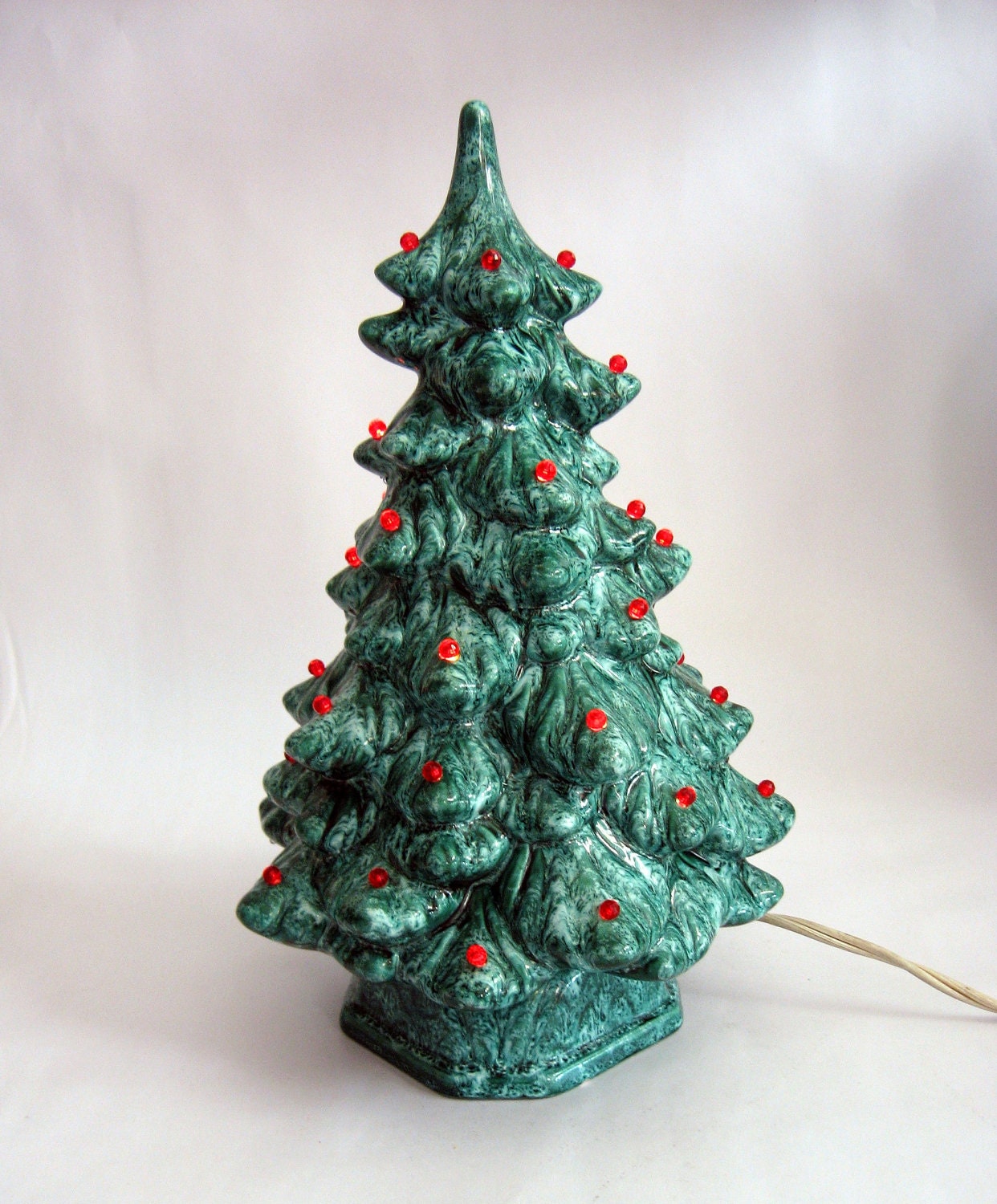
As the holiday season approaches, many of us find ourselves nostalgic for the retro vibes of Christmas past. From vinyl records to vintage toys, there’s something endearing about the nostalgia of yesteryear. Among the many nostalgic Christmas decorations from the 1970s, ceramic Christmas trees stand out as a beloved and iconic symbol of the era. In this article, we’ll delve into the history of these charming ornaments and explore what made them so popular during the 1970s.
A Brief History of Ceramic Christmas Trees
The tradition of using ceramics in Christmas decorations dates back to the early 20th century. However, it wasn’t until the 1950s and 1960s that ceramic Christmas trees became a staple in many households. Made from a variety of materials, including earthenware, stoneware, and porcelain, these trees were often decorated with vibrant colors and festive designs.
In the 1970s, ceramic Christmas trees reached new heights of popularity, thanks in part to the rise of mass production and affordable ceramics. Manufacturers like Lenox, Royal Worcester, and Thomas the Tank Engine & Friends created stunning ceramic Christmas trees that captured the imaginations of children and adults alike.
Characteristics of 1970s Ceramic Christmas Trees
So, what made ceramic Christmas trees so special during the 1970s? Here are some of the defining characteristics of these ornaments:
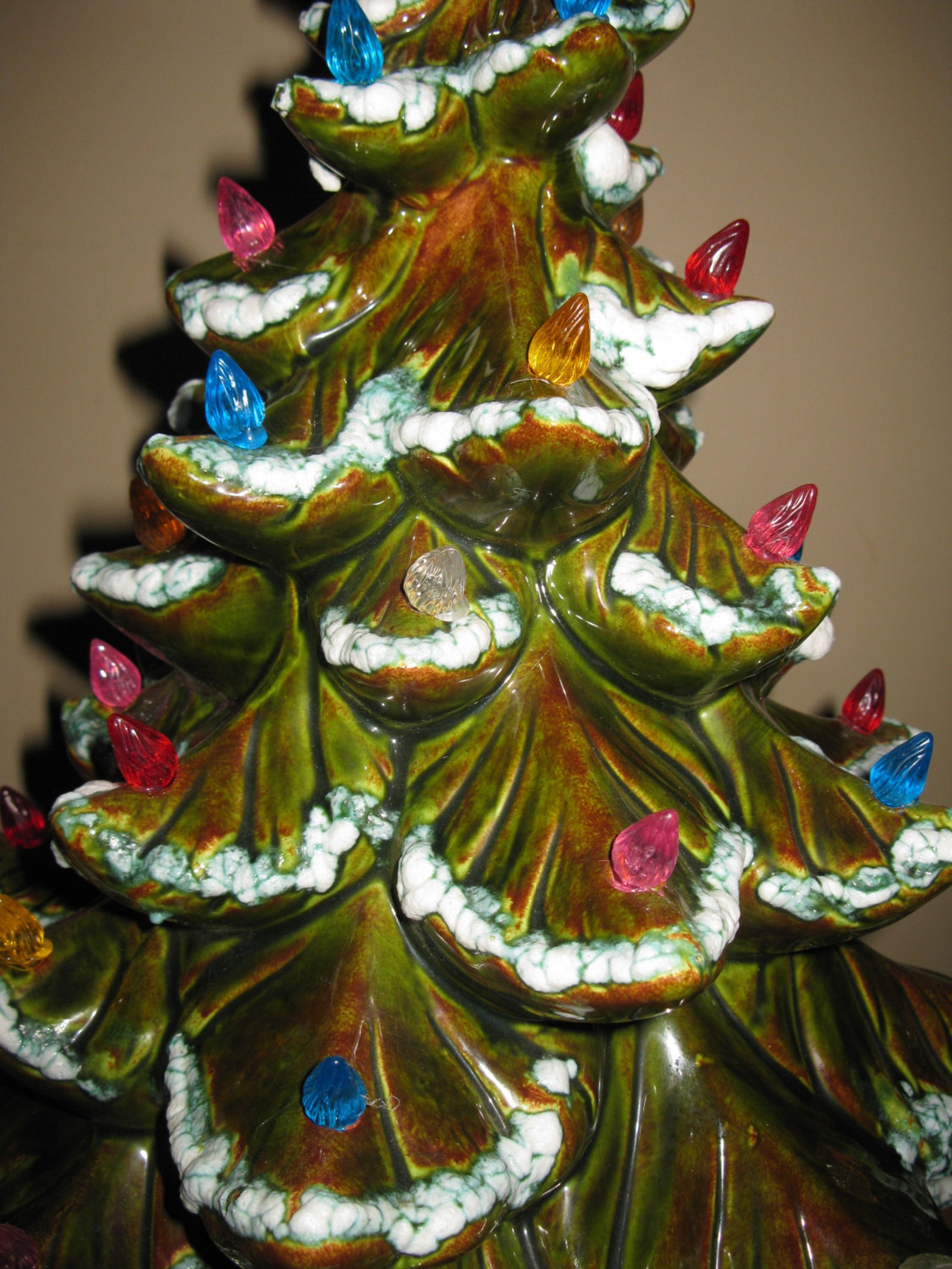
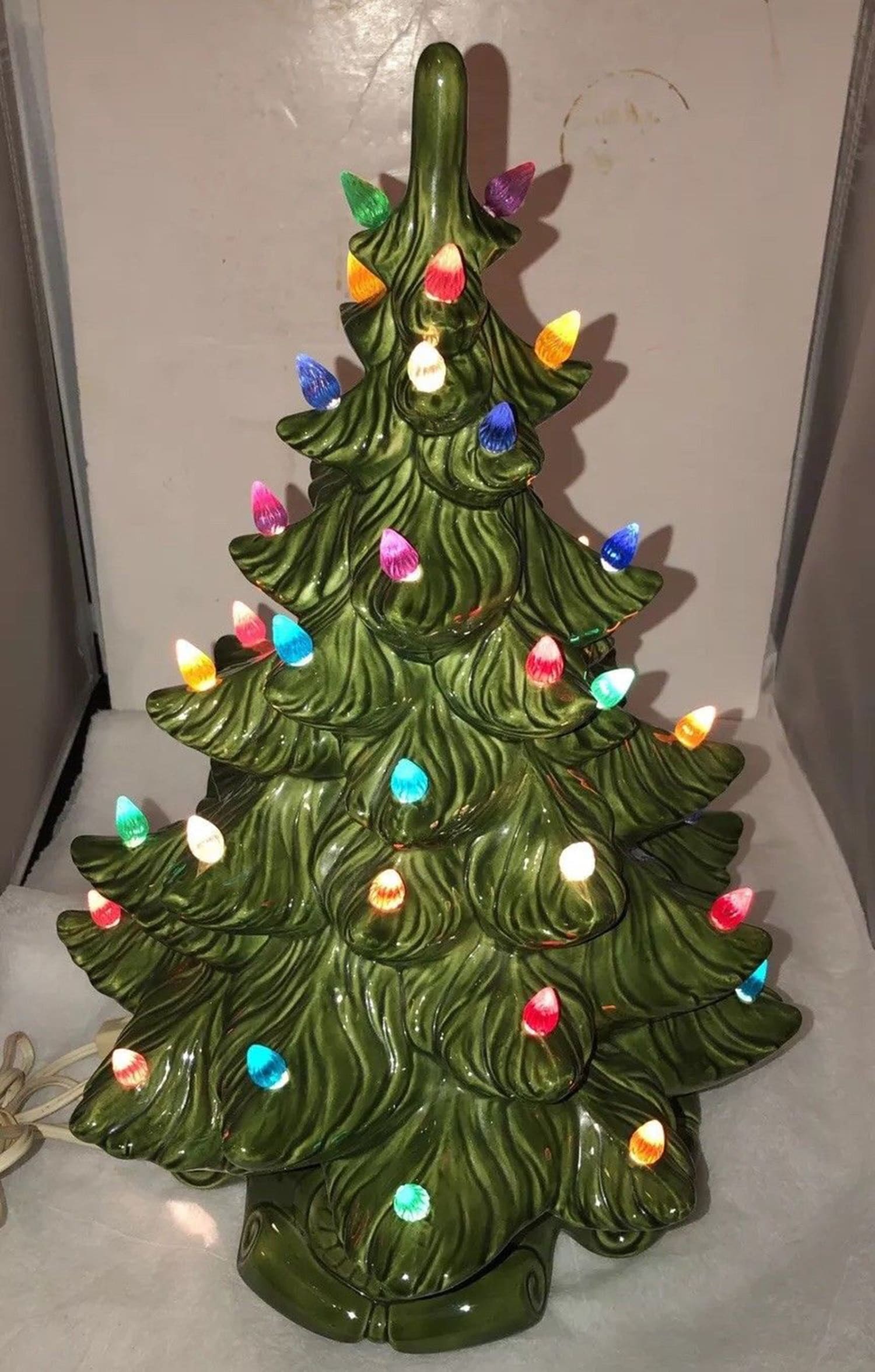
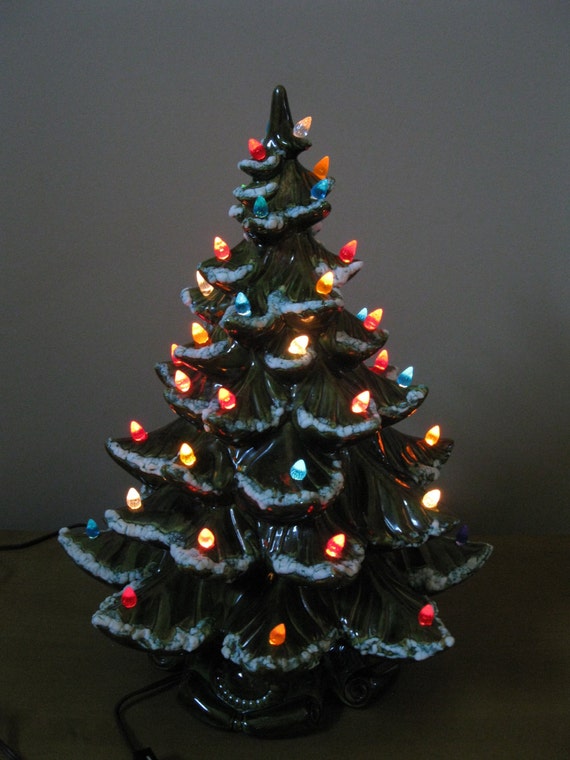
- Color: Ceramic Christmas trees of the 1970s were known for their bold and vibrant colors. Red, green, blue, and yellow were the most popular hues, often used in conjunction with gold or silver accents.
- Design: Trees were adorned with intricate designs, including festive patterns, snowflakes, and even cartoon characters.
- Size: Trees ranged from small to large, with the largest pieces often serving as a centerpiece for the Christmas table.
- Shape: Trees were available in various shapes, including traditional cone-shaped designs and more stylized, abstract forms.
- Care: Ceramic Christmas trees were often simple to care for, requiring only a gentle dusting to maintain their appearance.
Manufacturers of Ceramic Christmas Trees
Some of the most notable manufacturers of ceramic Christmas trees during the 1970s include:
- Lenox: Known for their exquisite, hand-painted designs, Lenox created some of the most iconic ceramic Christmas trees of the era.
- Royal Worcester: This British manufacturer was renowned for its high-quality ceramics and produced stunning Christmas trees with intricate details.
- Thomas the Tank Engine & Friends: Created in collaboration with Rev. W. Awdry, these ceramic Christmas trees featured charming illustrations of the beloved railway characters.
- Viking: Another prominent manufacturer, Viking produced a wide range of ceramic Christmas trees, including Christmas trees that were very realistic.
How to Identify 1970s Ceramic Christmas Trees
If you’re interested in purchasing or collecting vintage ceramic Christmas trees, it’s essential to know how to identify these ornaments. Here are some tips to help you discern whether a tree is genuine:
- Check the maker’s mark: Most manufacturers stamped their logo or name on the tree’s base. Researching the maker’s mark can help you determine the tree’s authenticity.
- Inspect the glaze: 1970s ceramic Christmas trees often featured distinctive glaze patterns. Look for subtle variations in texture and color that would be difficult to replicate with modern techniques.
- Look for imperfections: Genuine ceramic Christmas trees may exhibit small, painterly errors, like tiny bumps or uneven glaze.
- Research the design: If you suspect a ceramic Christmas tree is from the 1970s, research similar pieces from the era to determine whether the design is authentic.
Why Ceramic Christmas Trees Remain Popular
Despite being from a bygone era, ceramic Christmas trees continue to enchant and delight collectors and enthusiasts. Here are some reasons why these ornaments remain a beloved part of Christmas nostalgia:
- Timeless charm: Ceramic Christmas trees embody the whimsy and romance of the holiday season, transcending the passing of time.
- Collectibility: The collectibility of ceramic Christmas trees makes them a fascinating area of study and exploration for enthusiasts.
- Retro aesthetic: Ceramic Christmas trees represent the distinctive charm of 1970s design, which is increasingly coveted by collectors and interior designers.
- Storytelling potential: Each ceramic Christmas tree holds a story and a piece of history, making them a welcome addition to holiday celebrations.
Preserving the Legacy of Ceramic Christmas Trees
As we navigate the digital age, there’s something special about embracing the tactile charm of ceramic Christmas trees. To preserve their legacy, consider the following:
- Display them lovingly: Showcase your ceramic Christmas tree as a treasured ornament, using a glass case to protect it from dust and bumping.
- Research and learn: Dive into the world of ceramic Christmas trees to discover their history, manufacturing, and cultural significance.
- Share the story: Pass down the story of your ceramic Christmas tree to the next generation, making it a treasured heirloom.
Conclusion
Ceramic Christmas trees from the 1970s are an iconic symbol of retro warmth and nostalgia. Their enduring popularity stems from their delicate beauty, timeless charm, and sense of history. As you explore this captivating world of ceramic ornaments, remember to cherish the stories, craftsmanship, and quirks that make each piece unique.





Closure
Thus, we hope this article has provided valuable insights into The Retro Charm of Ceramic Christmas Trees from the 1970s. We appreciate your attention to our article. See you in our next article!
Leave a Reply